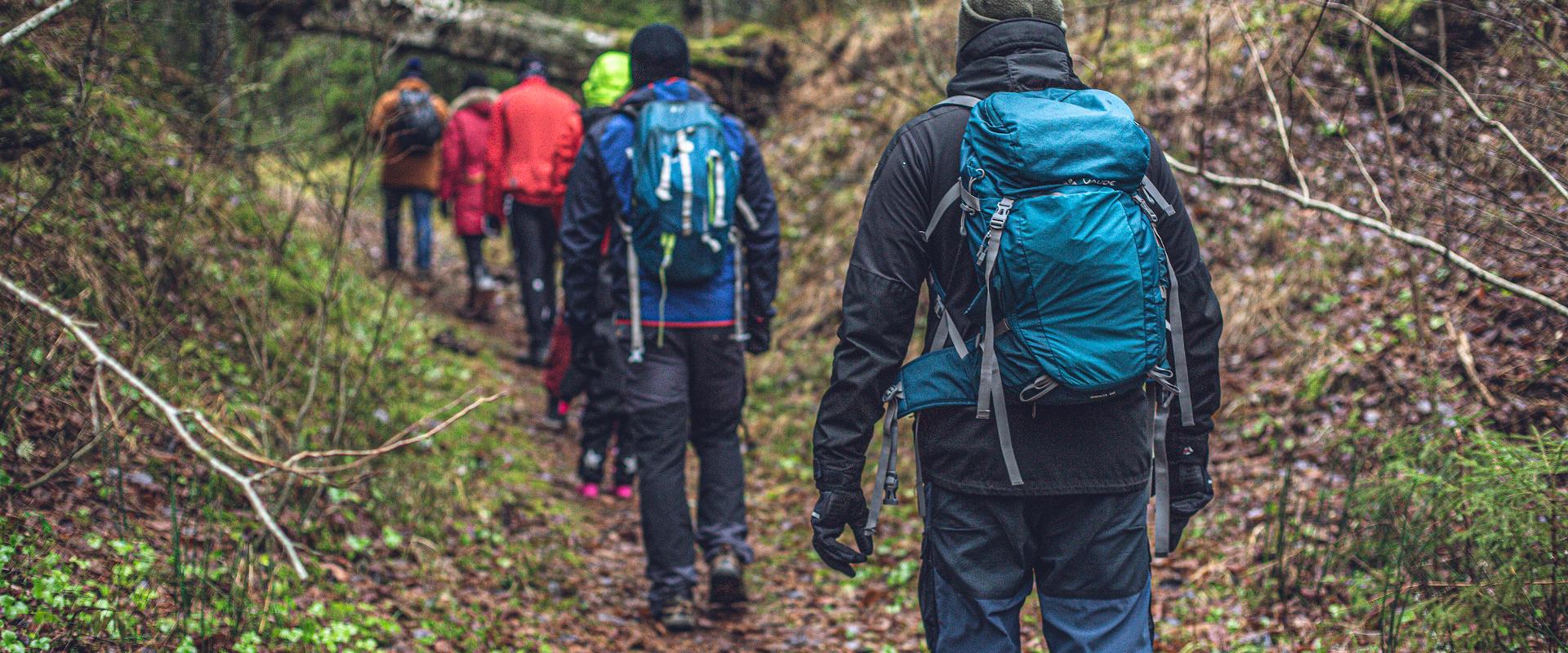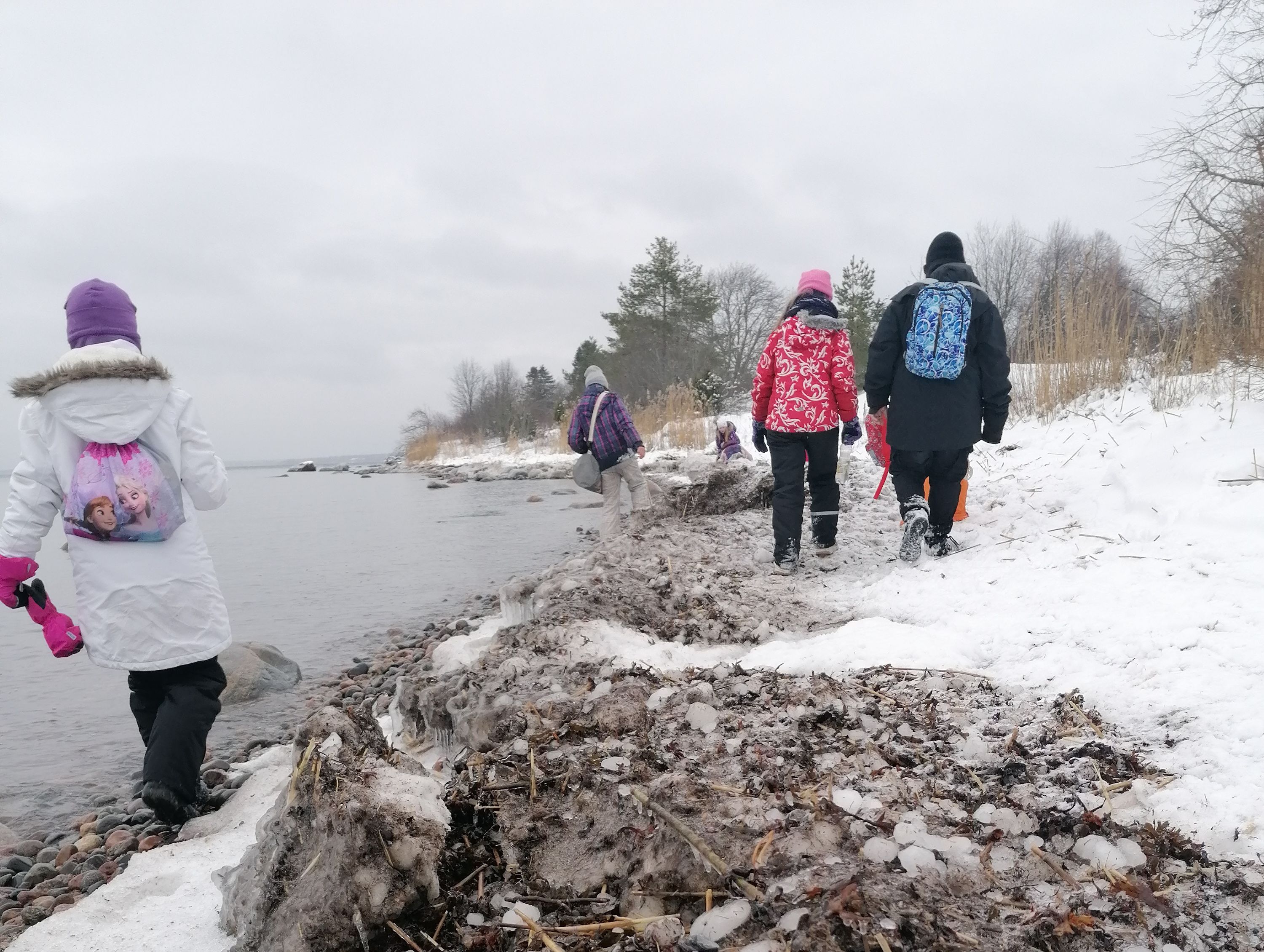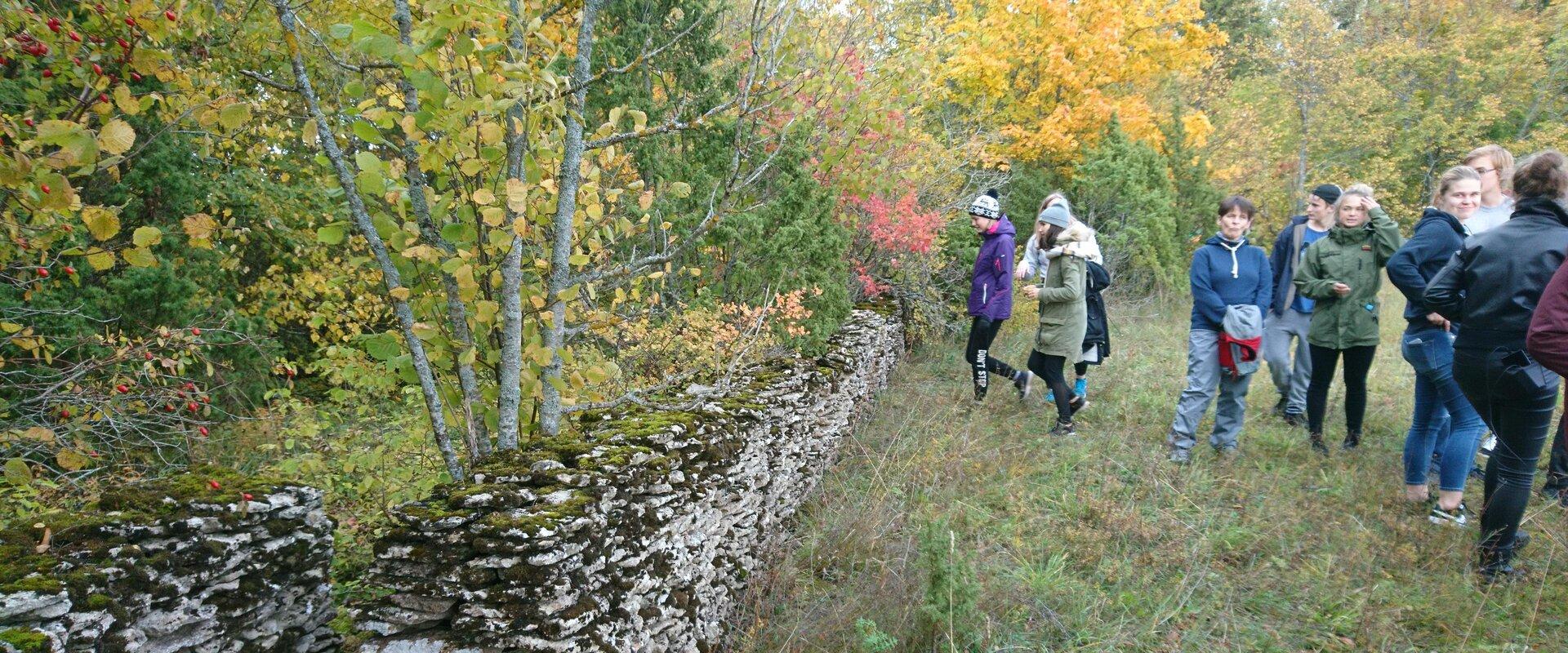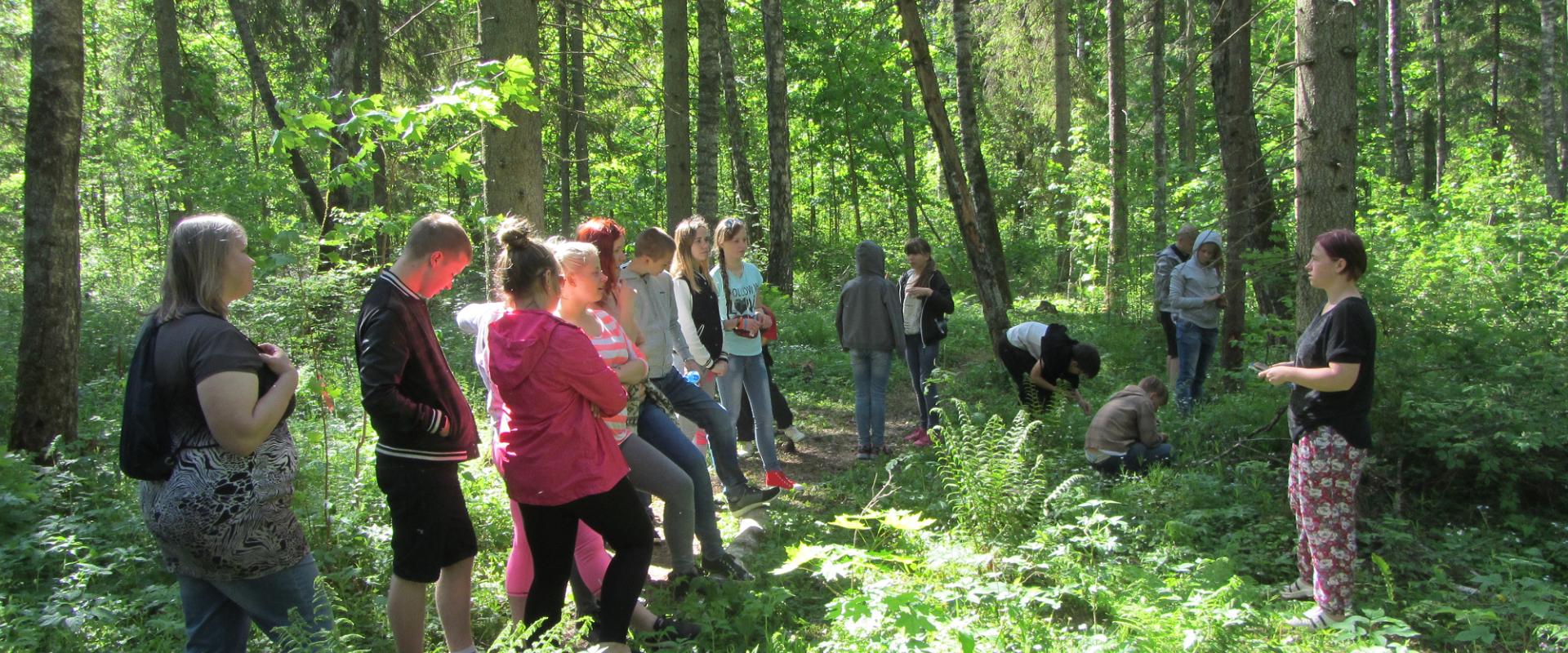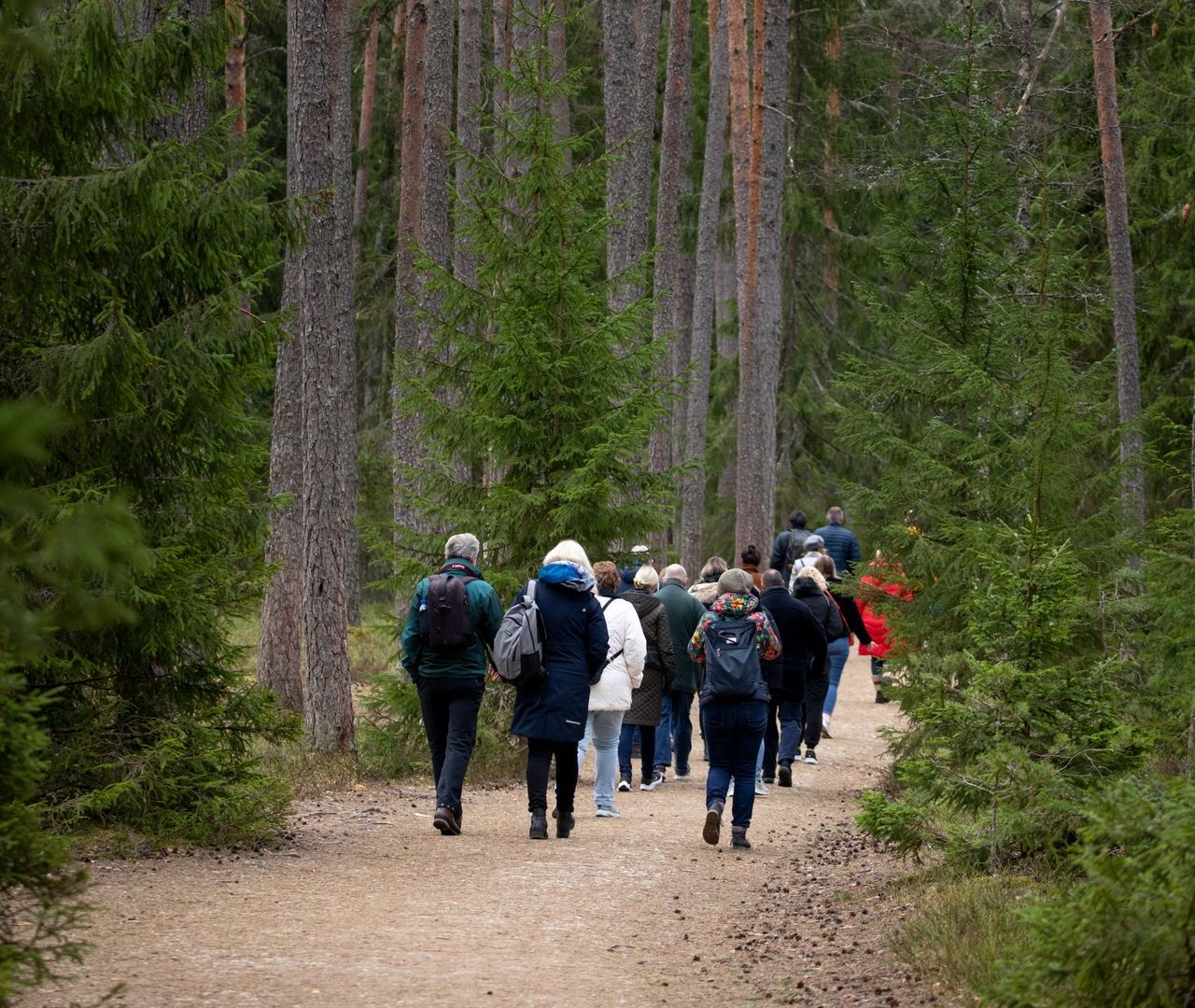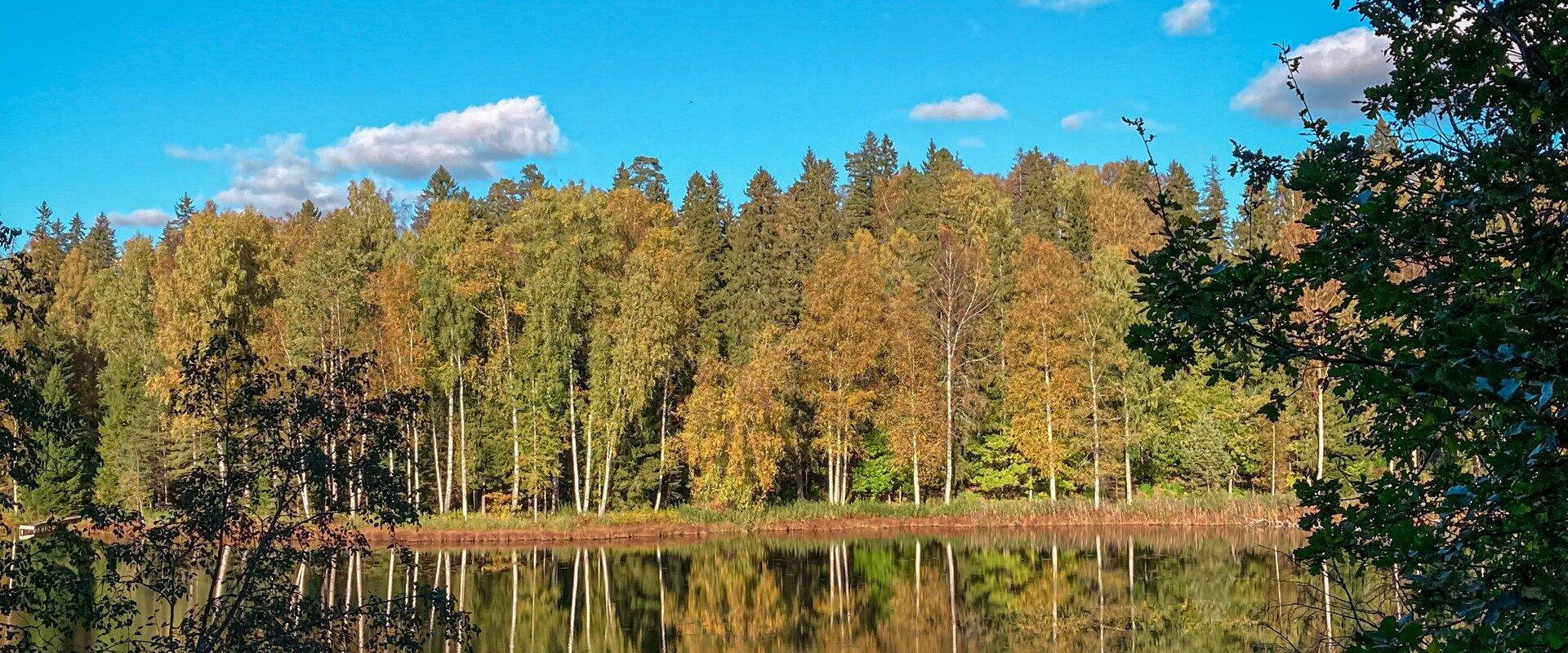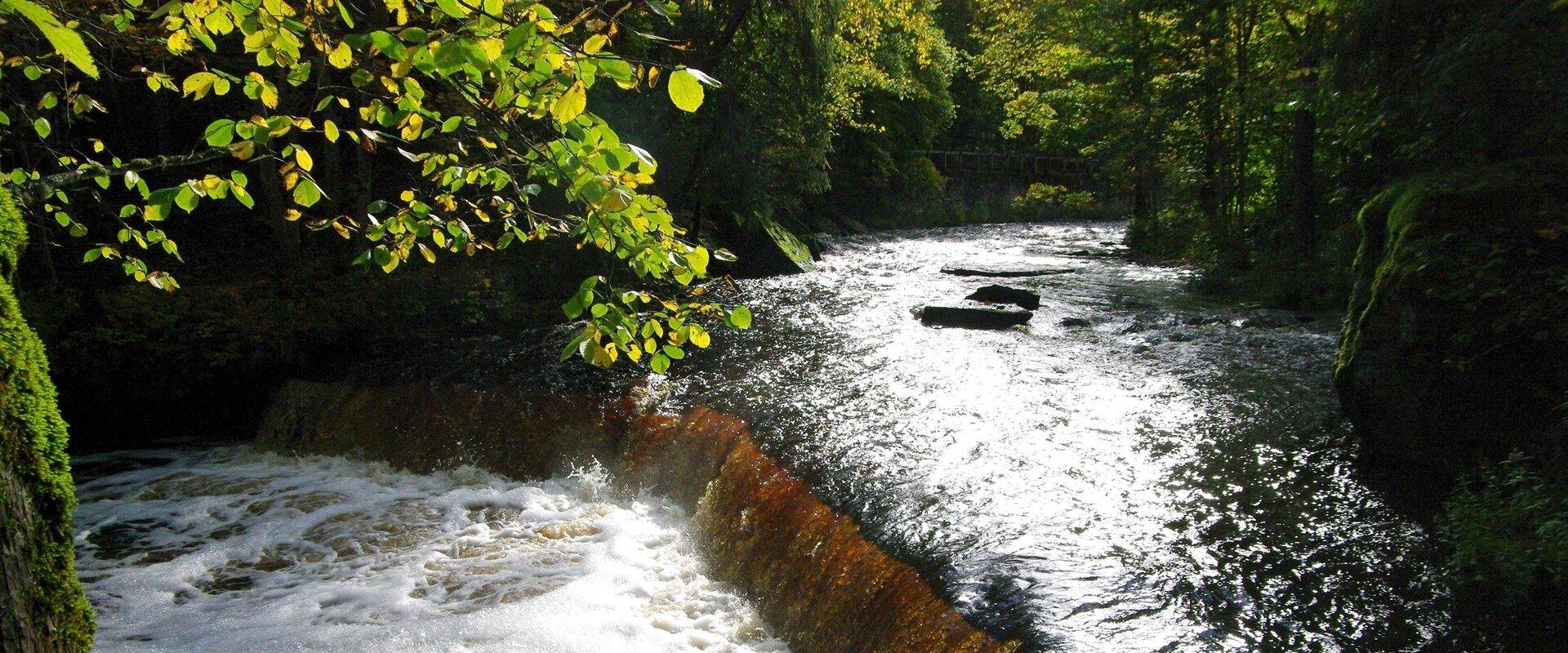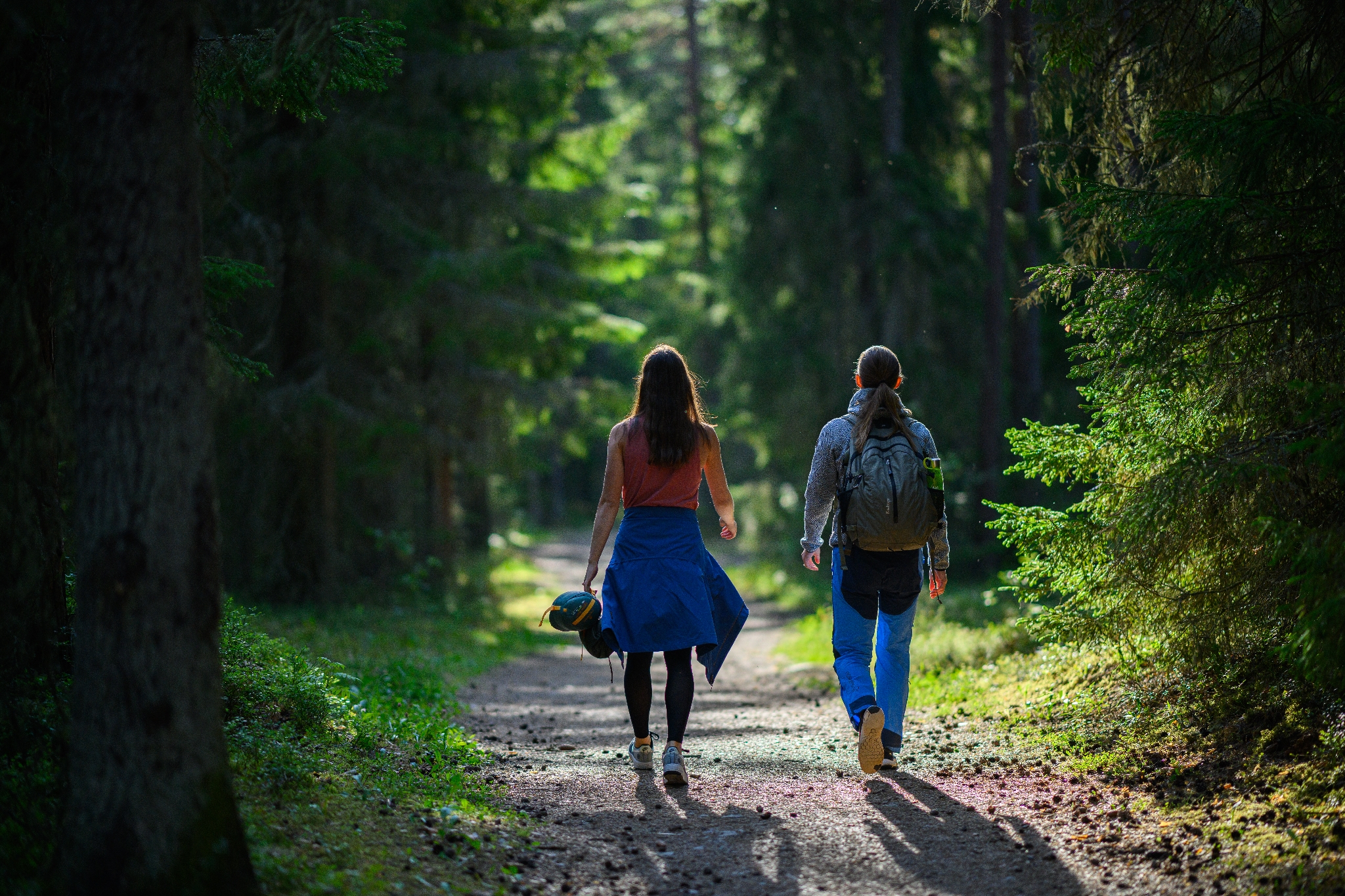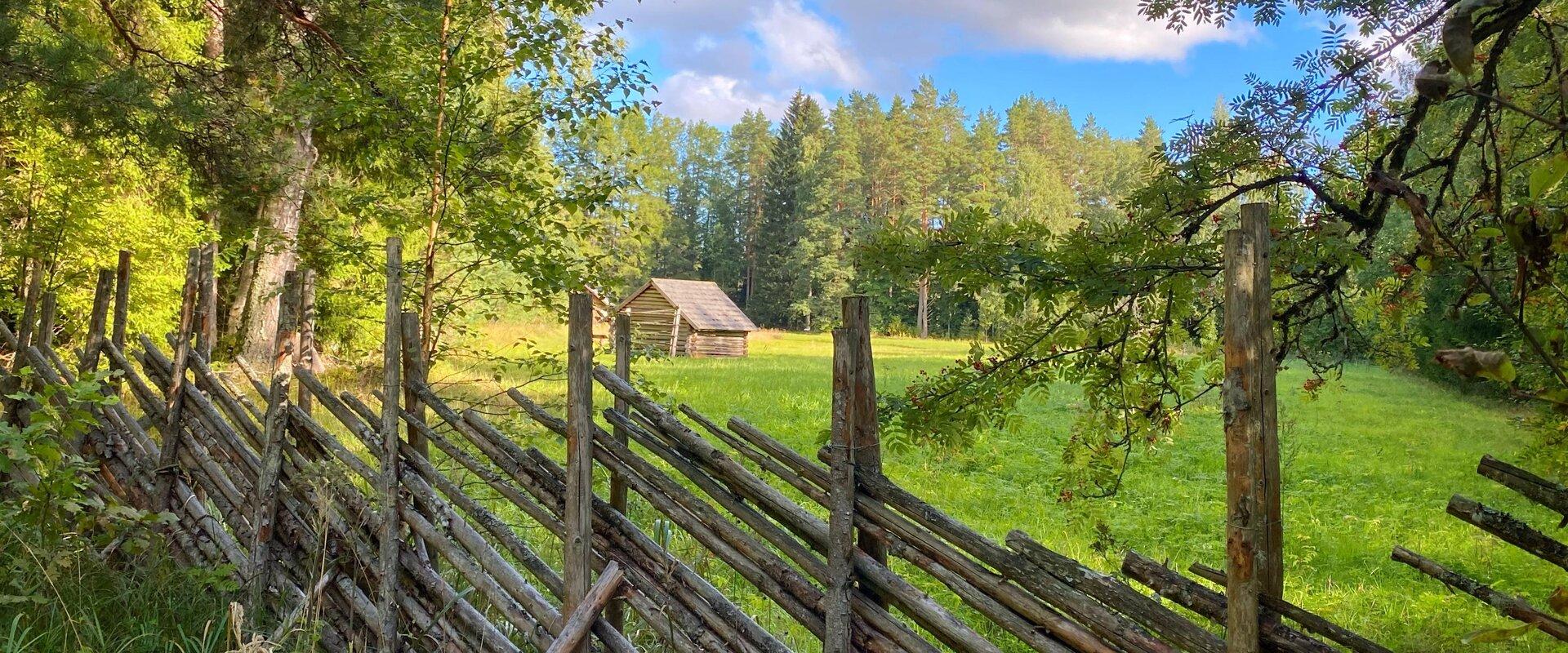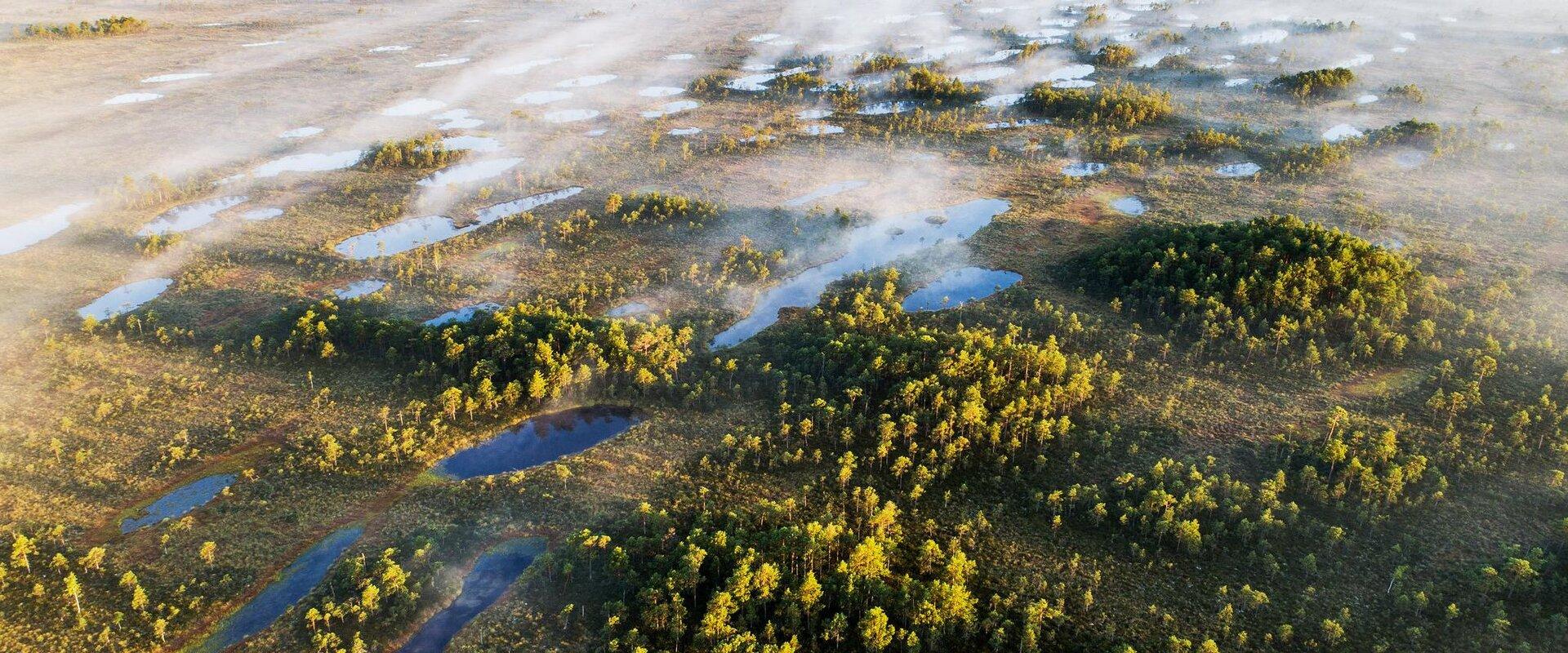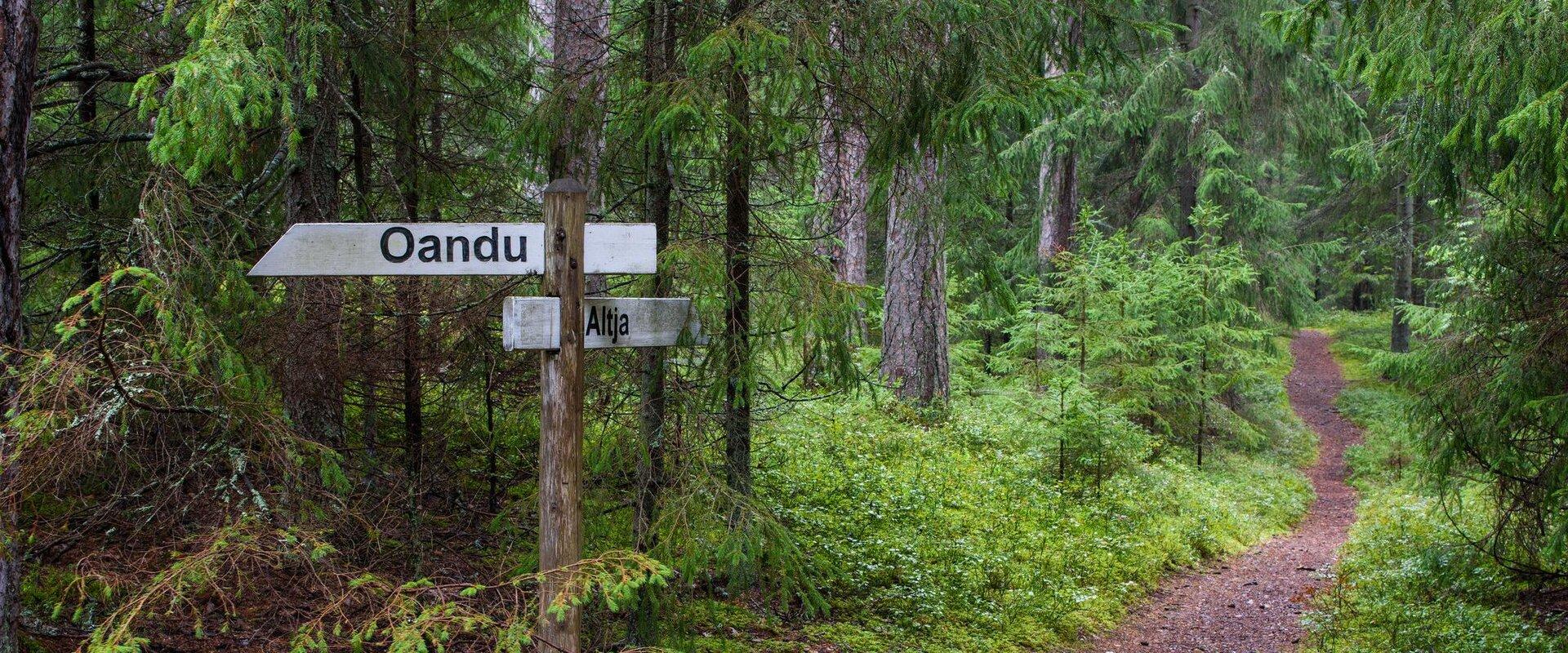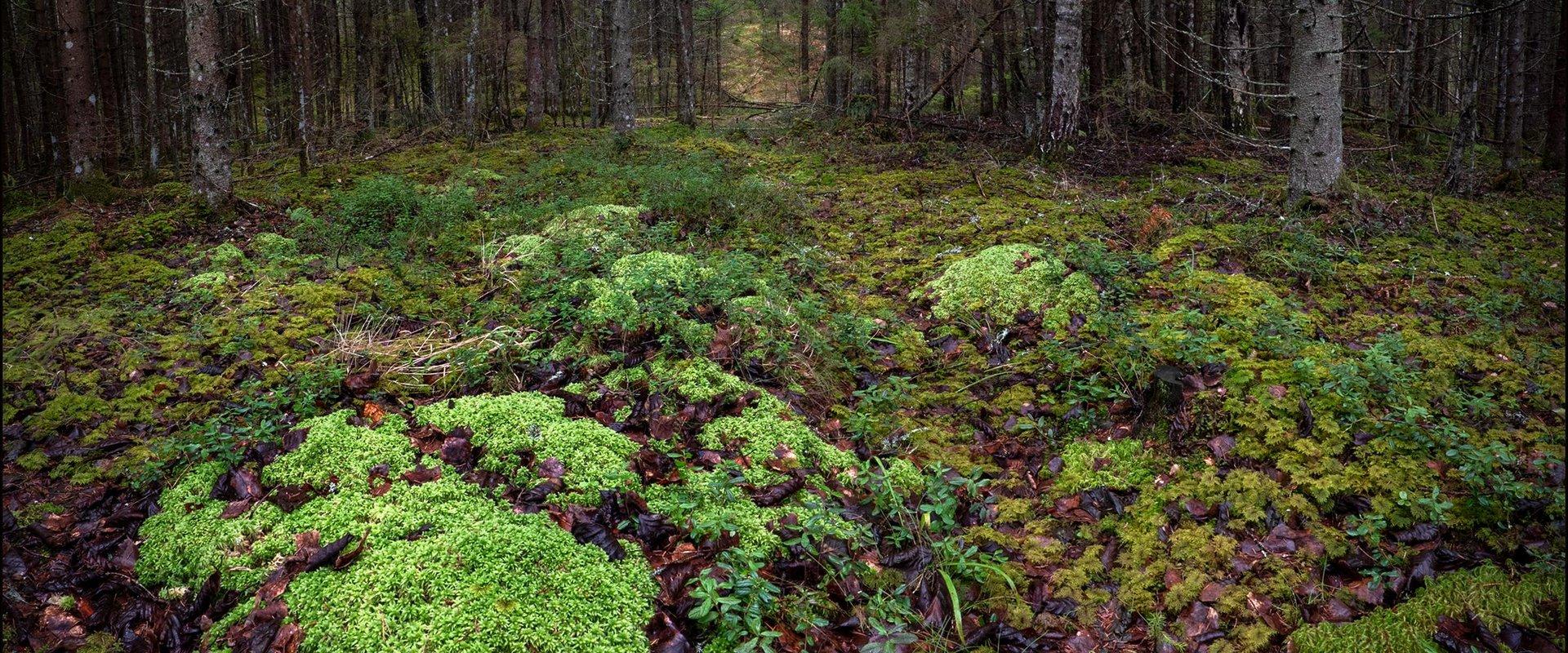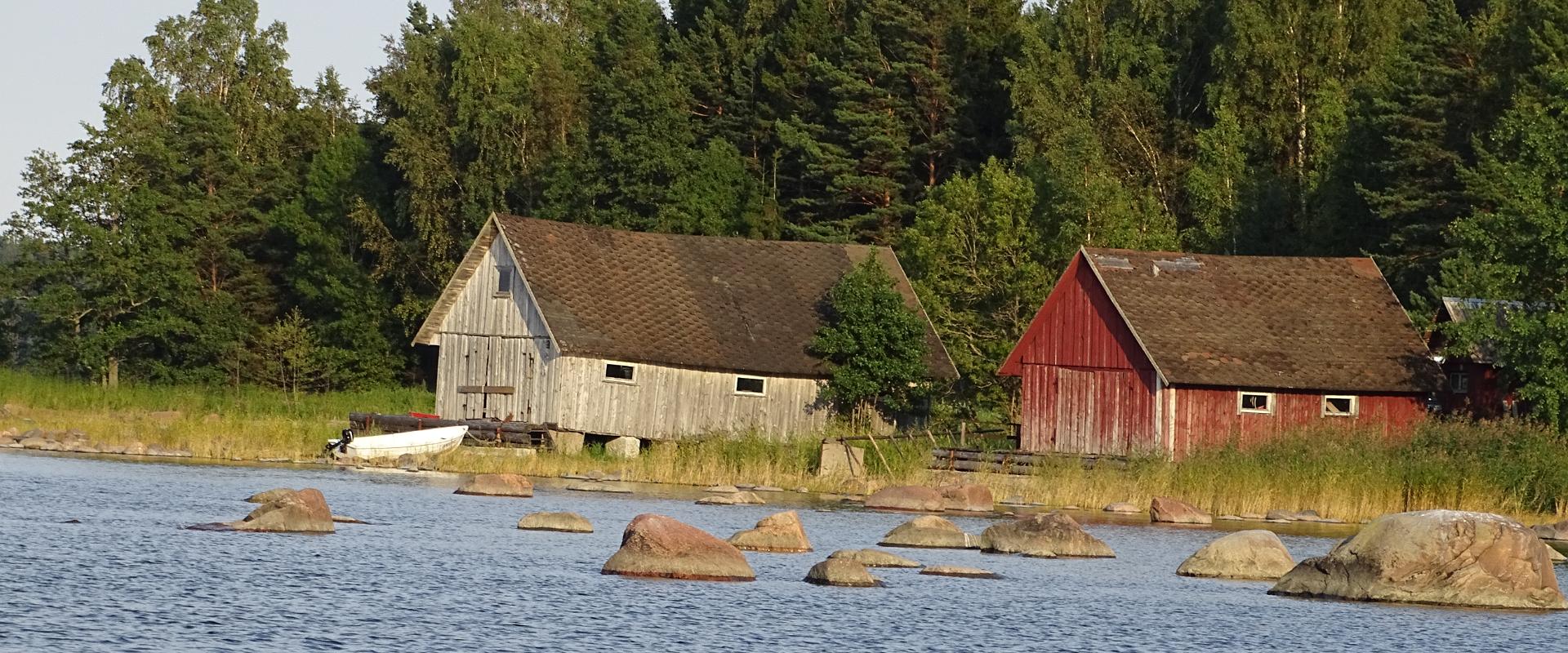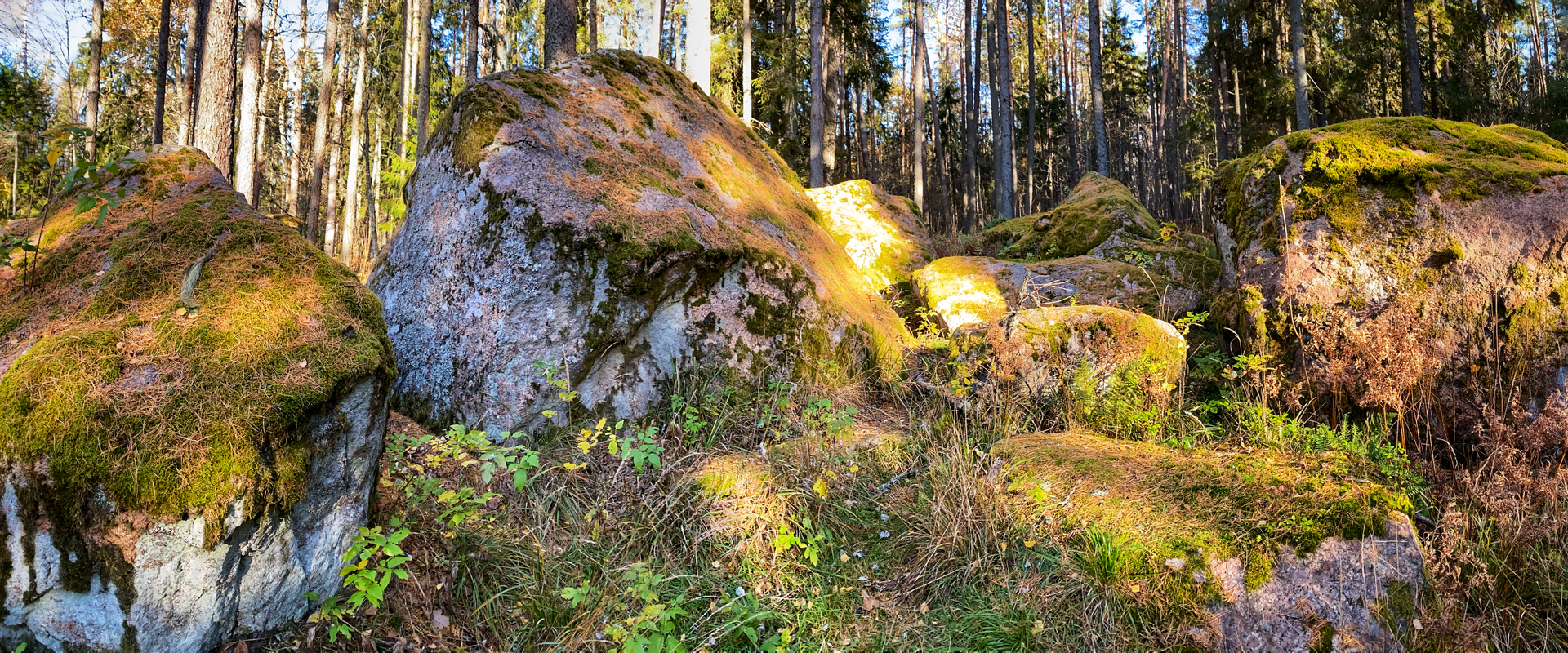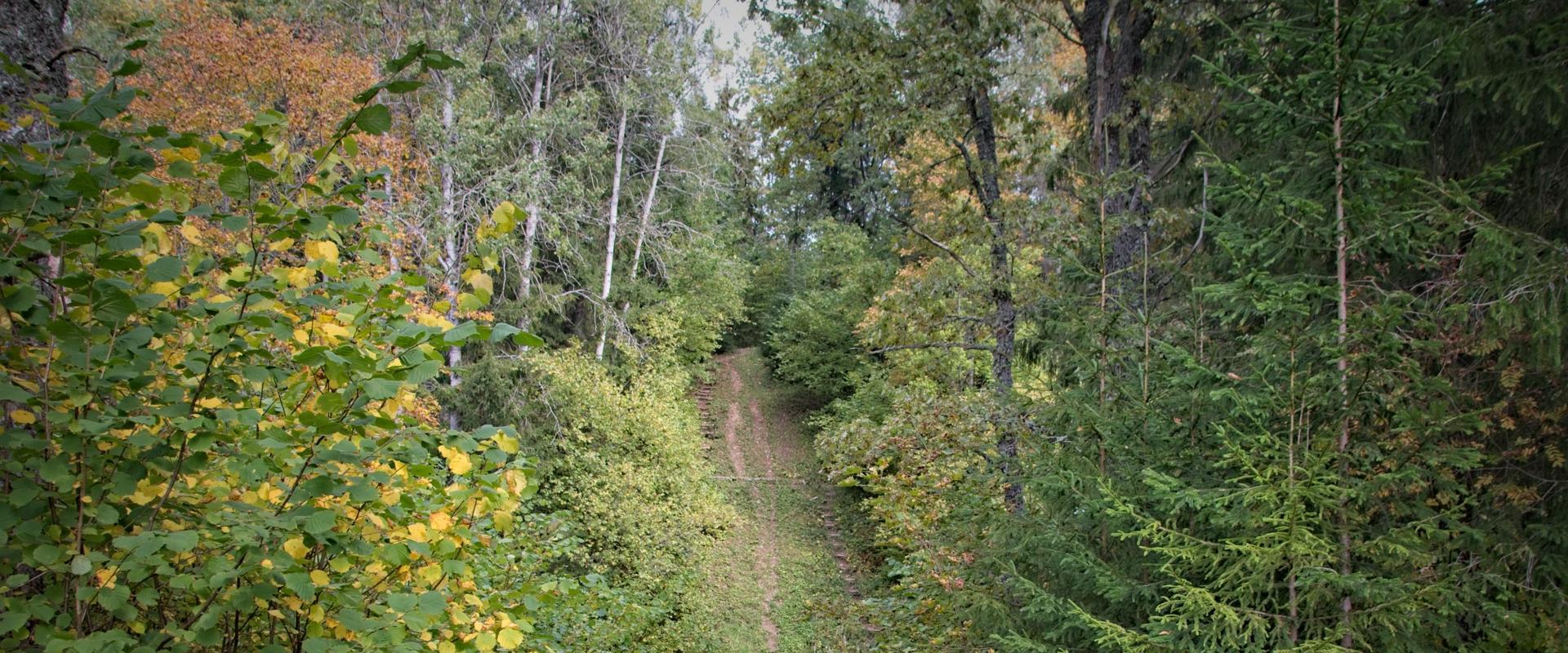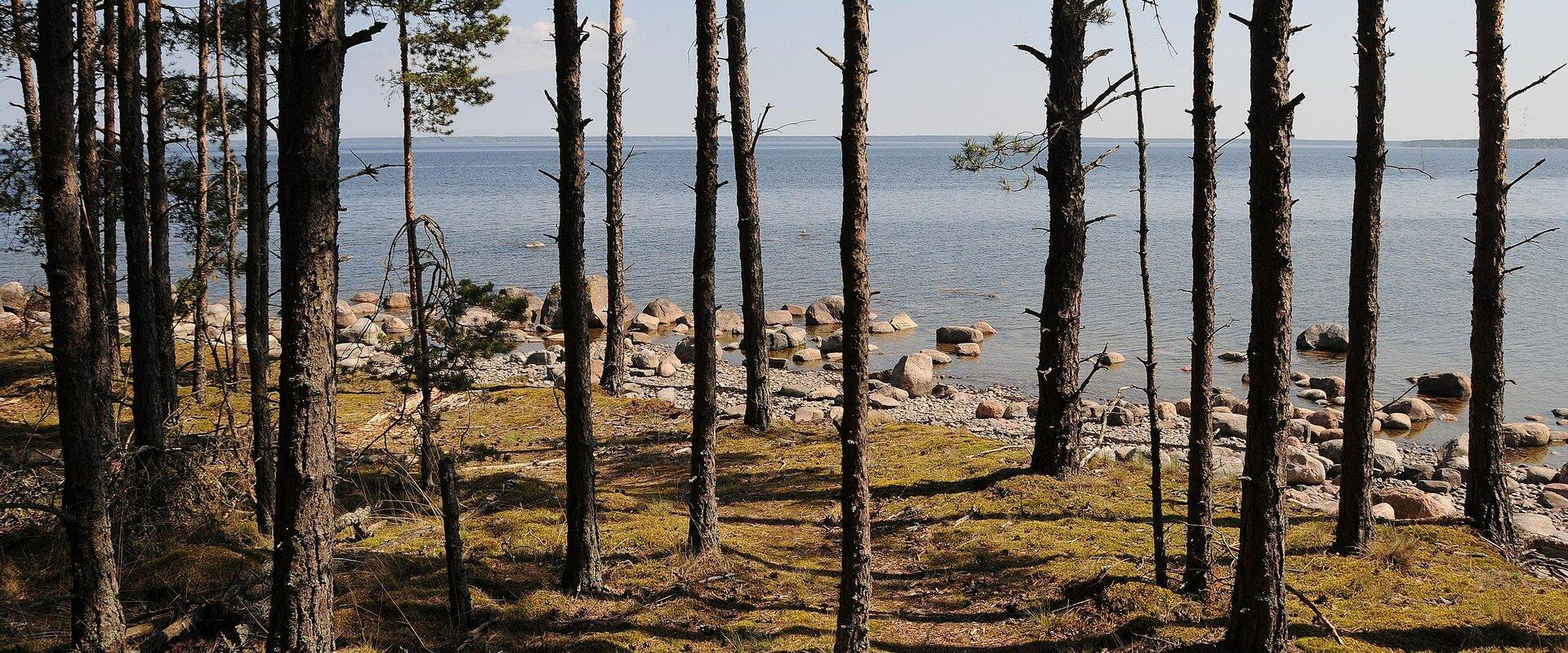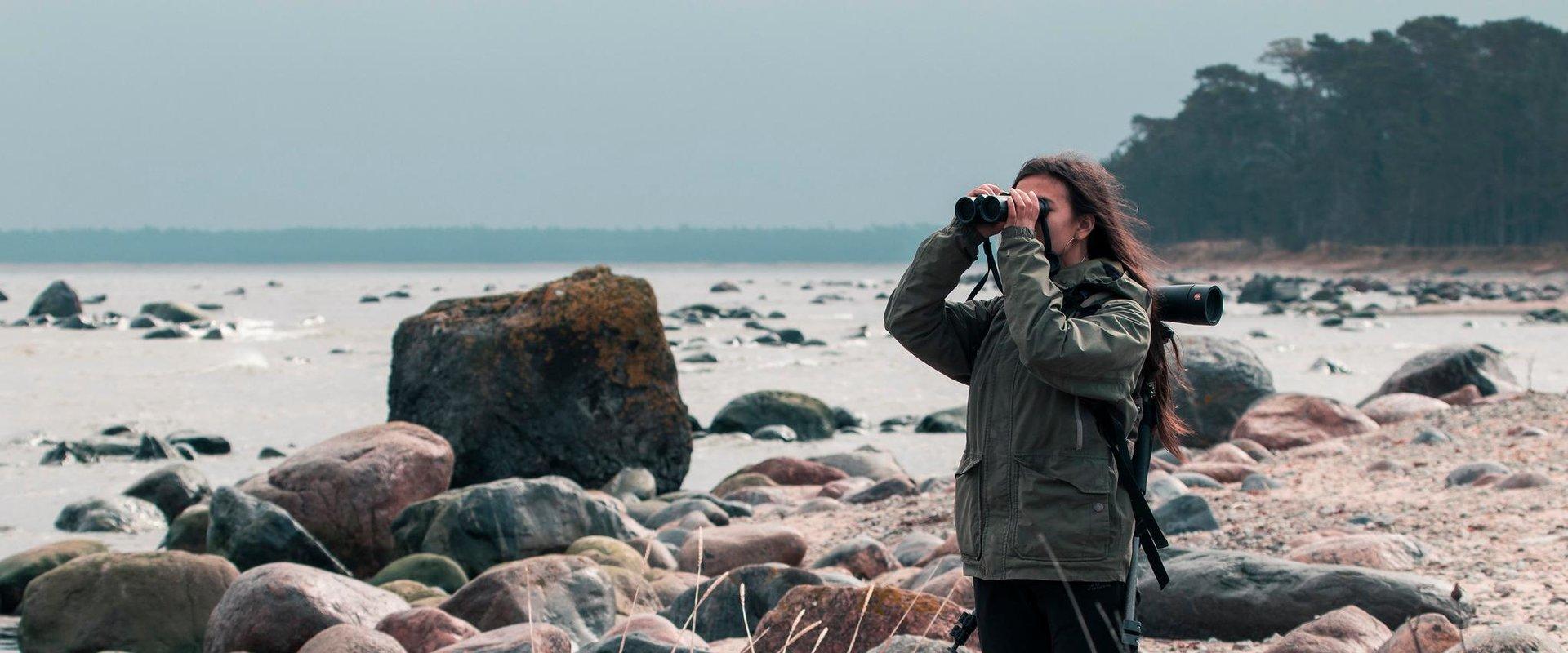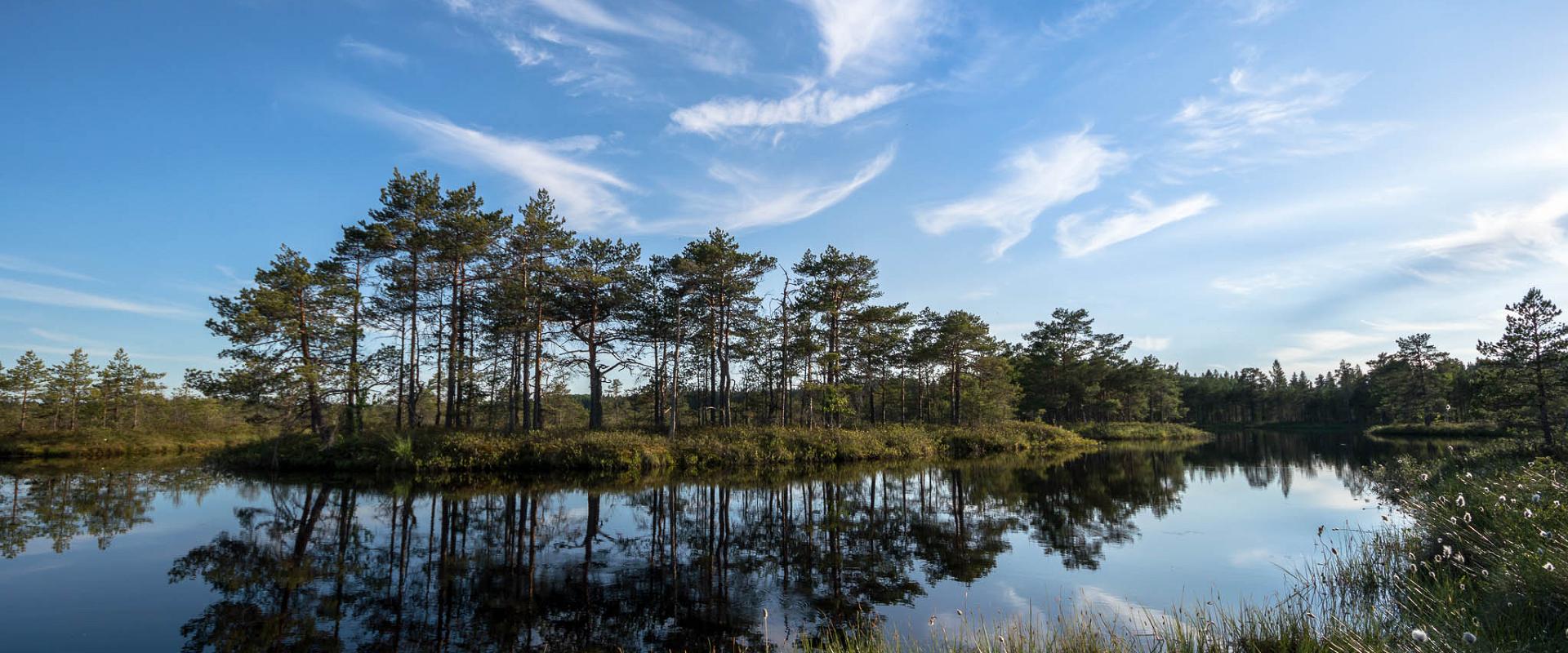

The best way to explore Lahemaa’s nature is to set aside enough time, pack comfortable hiking gear, and embark on discovering the local hiking and nature trails. Lahemaa’s trails vary in difficulty and character – from one-to-two-hour bog loops and the 45 km Oandu-Ikla hiking trail to a rocky kilometer leading to Purekkari Cape, the northernmost tip of mainland Estonia. The forests of Käsmu peninsula invite exploration both on foot and by bike. Lahemaa is also traversed by the E11 long-distance hiking trail, whose Baltic section is known as the Forest Hiking Trail, and which begins in the city of Scheveningen in the Netherlands and ends in Tallinn.
For Lahemaa’s hiking trails, we recommend bringing a guide, whom you can find here.
When venturing into nature, always ensure that your impact on the environment is limited to your presence. Sort any packaging and used napkins according to waste management rules. Keep the hiking trails in Lahemaa clean!
Lahemaa National Park Nature Trails:
Altja Nature and Cultural History Trail | 4.2 km
Beaver Trail | 1 km
Käsmu Nature and Cultural History Trail | 4.2 km
Majakivi-Pikanõmme Nature Trail | 7 km
Oandu Old-Growth Forest Trail | 4.7 km
Oandu Heritage Culture Trail | 3.4 km
Oandu Herbalist’s Trail | 1 km
Ojaäärse Forest Trail | 3.5 km
Sagadi-Oandu Forest Tales Trail | 5.6 km
Tsitre Trees Trail | 1 km
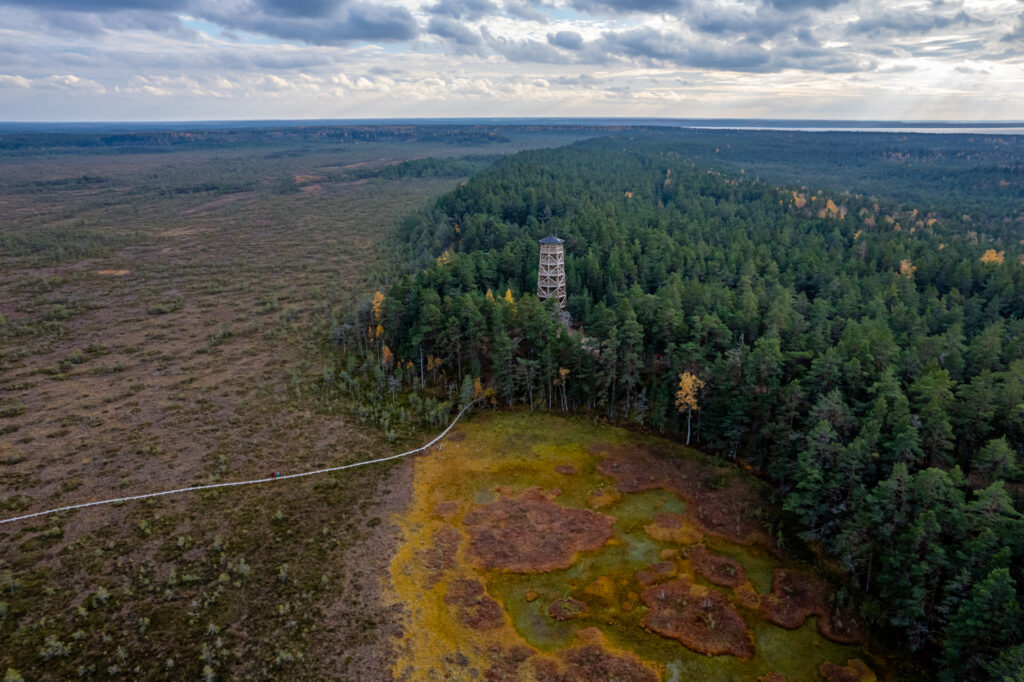
Viru Bog Nature Trail | 3.5 km
Hara Bay Coastal Nature Trail
Mohni Nature and Hiking Trail
Mähu Tip and Purekkari Cape Birdwatching Trails
Pähkneeme Dune Pine Forest and Seashore Trail
Võsu Local History Trails
Lahemaa National Park Hiking Trails:
Käsmu Cycling Trail | 11.6 km
Käsmu Hiking Trail | 15 km
Oandu-Võsu Hiking Trail | 9.5 km
Viewing Platforms:
Majakivi-Pikanõmme Nature Trail
Viru Bog
Birdwatching Towers:
Vihasoo Birdwatching Tower
Viinistu Birdwatching Towers

A nature and heritage hike in Lahemaa National Park near Viru Bog along the picturesque banks of the Kalmeoja River and the ancient Pärlioja Gorge is a real treat for every nature lover. We will explore different habitats and discuss managing forest animals and protected species during the hike. We will also visit the “Munga Holes”, learn about the mysterious past of Kalme village and talk about what connects Count Stenbock’s family and the beautiful Pärlioja River.
We also offer a drink and delicious snacks on the hike.
The hike includes the service of a hiking guide, snacks, and a drink — minimum group size 10 people. The hike is also suitable for children!
During the trip, we will explore Juminda or Pärispea peninsula in Lahemaa. Just as the local nature – special, rustic, and tough – the coastal language is also special. We will visit the people speaking the language and walk around the village, on a hiking trail, or another beautiful place.
About 100 people remain who still speak the Kuusalu dialect of this north-eastern coast. As we speak to a person fluent in the coastal language we will learn more about the language and the local life.
Lahemaa Retked offers a nature hike on the Muuksi–Tsitre trails. The area is known for its beautiful nature and rich history. The bank edge offers beautiful views of Kolga Bay and Juminda Peninsula.
Our Lahemaa guide will take you to the Tsitre sandy beach and bird observation tower, a Viking era harbour, the former summer manor lounge of Kolga Manor, the location of the Summer Castle, the ancient park, Muuksi Hill, and the Hundikangrud ancient burial grounds.
There are campfire sites on the seashore where you can have a picnic after the hike. The duration of the trip starts from two hours. The price in Estonian is 50 euros and in a foreign language 60 euros.
This is a hike where nature is not only observed with the eyes – we listen to what the forest has to say. A guide helps you notice sounds that would otherwise remain in the background: bird songs, the tone of the wind, the rhythm of footsteps, rustling and crunching… and sometimes that famous “snap,” upon which everyone whispers: “What was that?” (Mostly a branch. But sometimes not.)
During the hike, you learn to distinguish and analyze natural sounds, get acquainted with the animals and birds living in Estonian forests, and their habitats and activities. We practice mimicking simple bird and animal sounds and, if desired, craft sound instruments from natural objects. You also learn how to move in nature so that you listen to nature and not the other way around.
If desired, the hike takes place late in the evening or early in the morning, when the forest rehearses sounds and birds give a concert – without tickets. The journey is suitable for schoolchildren, families, and work teams who want to put screens on “mute” for a moment and truly experience nature.
The hike takes place on the trails of Lahemaa National Park and its surroundings.
This guided nature hike takes you from Hara Harbor on a trail approximately 6 km long, which starts from the harbor’s car park, goes through forests, and winds towards the Majakivi hiking trail. This trail offers a great opportunity to experience the unique nature of the Juminda Peninsula, where former coastal ridges, sand dunes, strips of forest, and bogs intertwine to create a diverse and varied landscape. During the walk, the experienced guide provides fascinating insights about the landscape and the area’s history.
The highlight of the hike is reaching Estonia’s third-largest boulder – the impressive Majakivi. From there, we head back towards Hara Harbor. The estimated duration of the hike is 1.5 to 2 hours, making it a suitable activity for hiking enthusiasts of all ages.
If desired, the hike can be combined with a tour of Hara submarine base, adding a historical dimension to the adventure. Book the hike today!
The Neeruti Landscape Protection Area hiking trail is located along the Rakvere–Pärnu highway, about 3 km south of Kadrina.
The trail can be completed as either a 1.5 km or a 3.5 km loop. It runs along long northwest–southeast oriented ridges – eskers – that were formed over 10,000 years ago. Their steep slopes reach up to 45 degrees in places, offering both physical challenge and views of beautiful nature. The shorter loop circles around Tagajärv and Eesjärv lakes, continuing to Saddle Hill (Sadulamägi), where an ancient hill fort is located. The longer route extends to Kiissaaugumägi, revealing an even more diverse landscape.
In addition to its natural value, the trail also has cultural and historical significance. Nearby in Jõepere was born Estonian writer and physician Friedrich Reinhold Kreutzwald, whose national epic Kalevipoeg gave the Neeruti landscapes a poetic form.
The trail offers the opportunity to experience the atmosphere of the epic as well as to sense the natural forces that shaped the lives of our ancestors.
Nõmmeveski-Liiapeksi hiking trail is a hiking trail with plentiful flora located in the Lahemaa National Park. The trail runs along the Valgejõe river and on the high banks of the valleys of its distributaries up until the Vasaristi falls, then along the old village roads until the Pärlijõe valley, from then across the river and along the valley embankment through the young pine forests until the Viru bog.
There are two camping sites nearby – Nõmmeveski and Kalmeoja. At the rest stops, you can make campfire. You can take water for cooking and other needs from the Nõmmeveski river. The spring is some 20 meters downstream from the Nõmmeveski falls, the pipe runs up to the western bank. At the Kalmeoja campfire site, you can take bog water from the Viru bog.
Lahemaa National Park is Estonia’s oldest and largest national park, featuring untouched forests, coastal areas, bogs, and historic manors. One of the most popular spots in this area is Oandu Nature Trail.
This 4.7 km long hiking trail winds through various forest types and natural habitats, offering the opportunity to see old trees, lichens, mushrooms, and traces of wildlife activity. Information boards along the trail provide an introduction to the forest’s development and the landscape shaped by the Ice Age.
The trail begins at the Oandu Visitor Center, where you can also explore exhibitions and gather information about the area’s nature and forestry. The loop, which can be completed in about two hours, is suitable for less experienced hikers and is accessible for families or small groups to explore. Oandu Nature Trail is ideal for a day trip from Tallinn or nearby, offering a combination of movement, fresh air, and an opportunity to learn about Estonia’s nature.
Come to the Oandu Nature Trail – every step brings you closer to experiencing the diversity and tranquillity of nature!
Rada algab RMK Oandu looduskeskuse õuest, teeb ringi hoonete vahel, heinamaal, metsas, külateel ja jõuab lõpuks looduskeskuse juurde tagasi. See on tähistatud viitadega ja märkidega puudel, rajal on 28 huvipunkti infotahvlitega eesti ja inglise keeles.
Näeme kilomeetrite pikkusi sammaldunud kiviaedu, vanu verstakive, metsa kasvanud heinamaid, üle 100 aasta vanuseid metsasihte, vaigutatud mände, hundiaeda, metsloomade söödahoidlat, vana taimeaeda jne
Oandu plant trail is like a natural botanical garden. You will be surprised to find out how many different plants can be found on a 1 km area! In the autumn, it is like an open-air mushroom exhibition there (up to 60 species of mushrooms can be seen there in some years).
However, if you are not interested in mushrooms, it is still lovely and safe to go for a walk there. There is an ice cellar and beds with flowers, vegetables, and herbs from the manor era. In addition to signposts introducing the local plant communities and plants, there are five information boards on the shores of Oandu artificial lake, which introduce the animals living in Lahemaa.
The RMK hiking trail is the first hiking trail to pass through all of Estonia.
Covering 370 km, the trail starts in northern Estonia, at Oandu in Lahemaa National Park, and leads the hiker through the dense forests of Kõrvemaa and then onto the Soomaa National Park – one of the most magnificent marshlands in Europe.
Outfitted with kilometre marks and signposts to help you stay on the right path, information boards along the trail introduce information on Estonian forestry and the country’s forest-related heritage and culture, as well as opportunities for relaxation.
Passing through a total of six counties, two national parks and nine nature reserves, the hiking trail ends at the border between Estonia and Latvia in Ikla.
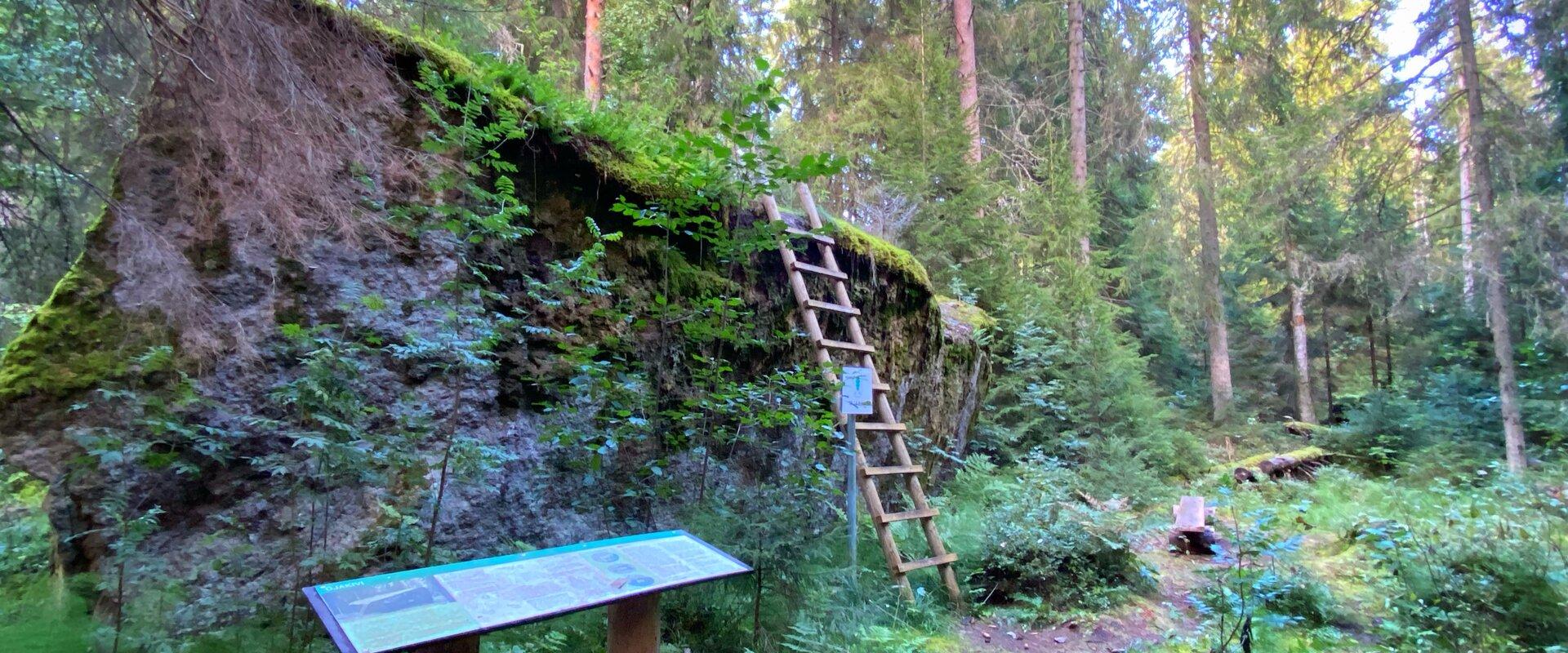
Lahemaa rahvuspargi südames ootab Sind lummav teekond läbi tiheda põlismetsa. Ojakivi rada viib looduskaitse all oleva hiidrahnu juurde, pakkudes 5 km pikkusel edasi-tagasi matkal võimalust nautida rahu ja metsa ilu.
Matka sihtpunktiks on Ojakivi – Eesti 14. suurim ja Lahemaa rahvuspargi kolmas hiidrahn. Selle ümbermõõt ulatub 30 meetrini ja kõrgus 6 meetrini, muutes kivi aukartust äratavaks loodusmonumendiks. Nagu mitmeid teisi Põhja-Eesti hiidrahne, saab ka Ojakivi uudistada pealt poolt, kogedes muljetavaldavat suurust ja maastiku võimsust.
See rada on ideaalne looduse ja matkade sõbrale, kes otsib rahulikku jalutuskäiku, aga ka harivat kogemust Eesti geoloogilise pärandi avastamisel.
Kutsume Teid avastama Lahemaad kui mere ja maa kohtumiskohta – paika, kus rannakülade pärand, rabad ja kivised rannad moodustavad ühtse terviku ning inimkultuur on tihedalt seotud merega. Päeva alustame loodusgiidiga jalutuskäiguga Viru rabas, kus liigume mööda laudteed, teeme peatusi vaateplatvormidel ja kuuleme raba lugusid. Seejärel külastame Tammispea hiidrahnu – võimsat rändrahnu, mis viib mõtted jääaja jälgedele. Edasi suundume traditsioonilisse kalurikülla Natturisse, mis mõjub oma miljöö ja detailidega nagu väike muuseum. Soovi korral sööme kohalikus kõrtsis Eesti rahvustoite või külastame mahajäetud nõukogudeaegset allveelaevade baasi Haral.
Päev Lahemaal kestab 8 tundi. Lisatasu eest võimalik transport.
You will find the Palmse Nunnery Boulders on the right side of the road behind the walls of Palmse Manor when driving from the direction of Viitna.
This is a group of 14 erratic boulders with a circumferance of more than 10 metres and many smaller boulders that were formed when larger boulders broke apart upon the melting of glacial ice. They have been named after a nunnery that was located on the same site in the 15th century.
According to legend the Almighty turned all the nuns who went to meet with the Devil into stone.
Pariisi terviseradadel saad liikuda aastaringselt – talvel ootavad Sind hooldatud suusarajad, suvel mõnusad jooksu- ja rattaringid. Kui armastad talvist liikumist, proovi 5 km pikkust sportlikku treeningrada, millest 1,6 km on valgustatud – ideaalne ka hämaratel õhtutel. Rahulikuma tempo nautlejatele sobib suurepäraselt 6–10 km pikkune matkaring. Suusarõõme pakuvad veel 3, 6 ja 10 km pikkused suusaringid.
Soojal ajal saad end proovile panna 5 km pikkusel jooksu- või rattarajal ning lõbusalt aega veeta 18 korviga discgolfipargis.
Kõik vajaliku saad mugavalt laenutada lähedalasuvast Pariisi puhkekülast – seal ootavad Sind matka-, suusa- ja uisuvarustus, jalgrattad, discgolfi kettad ja palju muud.
Tule ja naudi aktiivset puhkust Pariisis – liikumisrõõm on Sinu päralt!
Pedassaare matkarada teeb ringi ümber Kolga lahe mitmes mõttes unikaalseima saare põhjaosa kulgedes piki randa. See on Kolga lahe metsaseim ja kõrgeim saar, unikaalne oma järsult sügavaks mineva liivaranna poolest. Rada asub Kolga lahe maastikukaitsealal ja rada läbides kohtad 11 huvipunkti.
Raja äärde jääb telkimisvõimalusega kaetud lõkkease. Romantikuid ootab mõnus ja isikupärane metsamaja. I korrusel on kaminaruum laudade-pinkidega ja väike saunavõimalustega ruum ning teisel korrusel põrand magamiseks.
Pedassaarele saab kaatriga Salmistu sadamast, kuhu saab lisatasu eest jätta ka oma auto.
Purekkari Cape is the northernmost point of mainland Estonia.
The 1.5 km long rocky, boulder-strewn cape is located in Lahemaa National Park. The cape ends with a small island, which is only accessible when the water level is low. The thorny wild rose bushes are particularly eye-catching when in bloom during summer and when they have bright red fruit in autumn. Many migratory birds pass by here, making it a popular birdwatching spot.
Near the cape are former military installations and the Purekkari camping area, which is equipped with a campfire site, shelter, and information boards.
NB! The road to the parking lot is narrow and cannot be accessed by large buses.
Enjoy the beautiful nature and pick berries and mushrooms. The trail is accessible by bicycle, on skis, or on foot. Once you reach Ohepalu, you can continue your hike to Udriku lakes or even Mõndavere, Viitna, or Lahemaa.
The first 1.5 kilometres of the trail are boggy, but after you cross Valgejõgi River, you will reach the Rutka hills, which run along eskers and are dry. This part of the trail is located in Ohepalu Nature Reserve.
In the autumn of 2018, the first 1.5 km section of the trail was reconstructed from the resources of the Tapa Municipality Government’s 2017 participatory budgeting project.
Rutkaste hiking trail is also called the Tapa–Ohepalu hiking trail.