
Manors

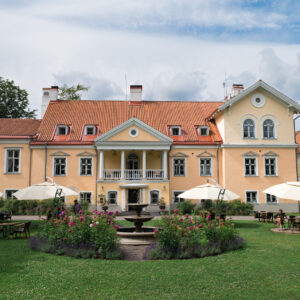
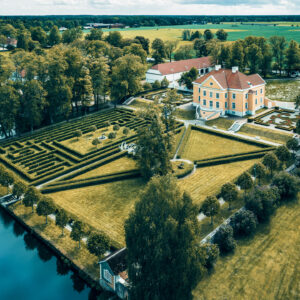
You can find the most outstanding works of Lahemaa’s architectural history in Kolga, Palmse, Sagadi, and Vihula. Estonia’s largest manor, Kolga Manor, which belonged to the Stenbock family, is still awaiting the skilled hand of a restorer to restore its former glory. However, in Palmse, Sagadi, and Vihula, the manors are available for viewing in their full splendor. There you will find the opportunity to stroll through well-maintained gardens and parks, and also experience unique manor interiors.
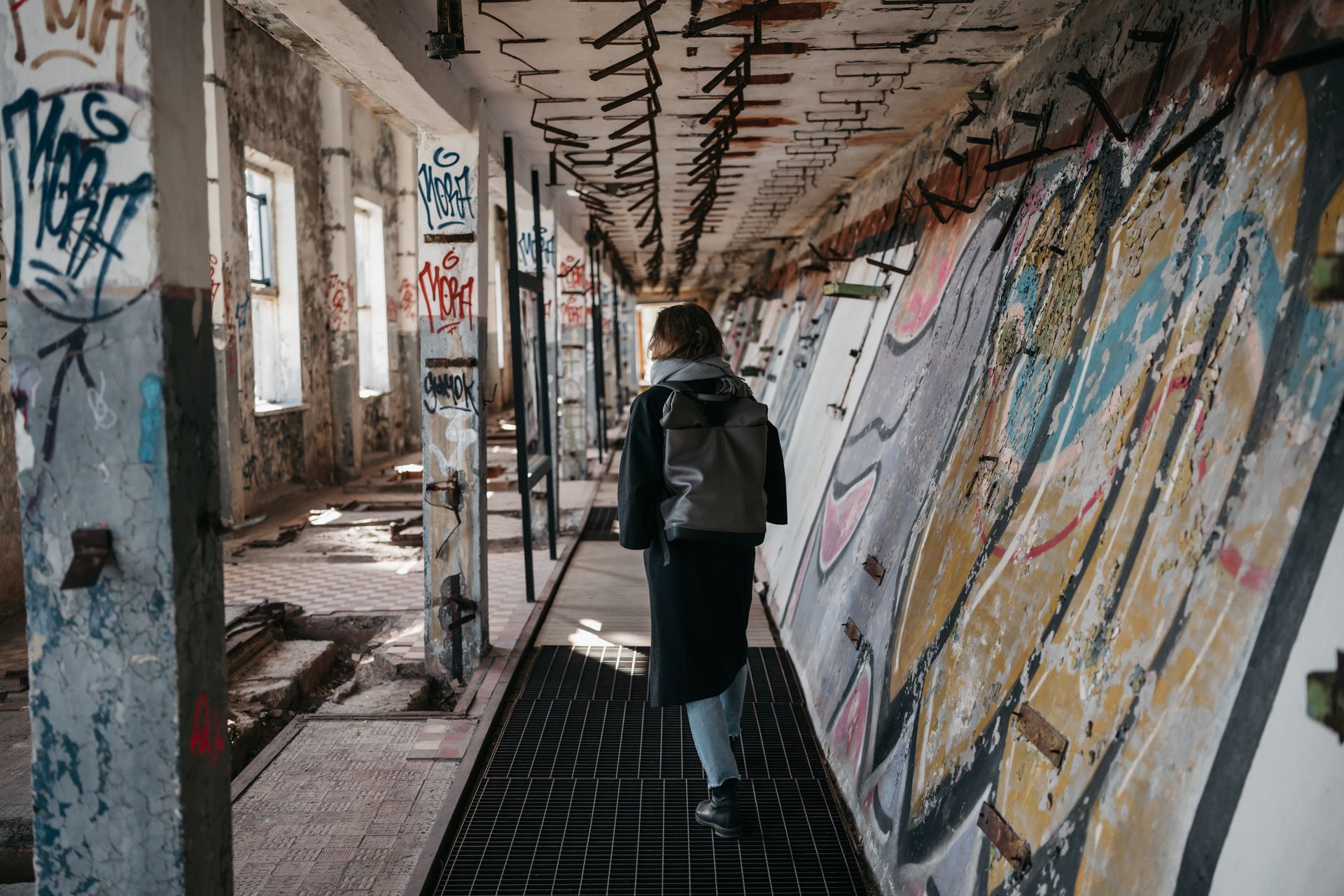
A guided tour at the secret Soviet-era Hara submarine base

The tour is an active adventure in and around the Hara submarine base, which is suitable for adventurous people of all ages.

The tour guide takes you on an exciting tour back to the Soviet times, during which you will hear interesting stories about the life of soldiers. It will also become clear why the Hara submarine base was so secret and has now become mysterious. And most importantly – you will learn what demagnetization means. You can also visit the photo exhibition ‘Mysterious Harbour’.

After the tour, you can enjoy a meal at the harbour restaurant or the Naga Pizza café. Be sure to check out local souvenirs, and if you wish to stay longer, we also offer accommodation and experience saunas.

The tour takes place in the open air!

Altja fishing village

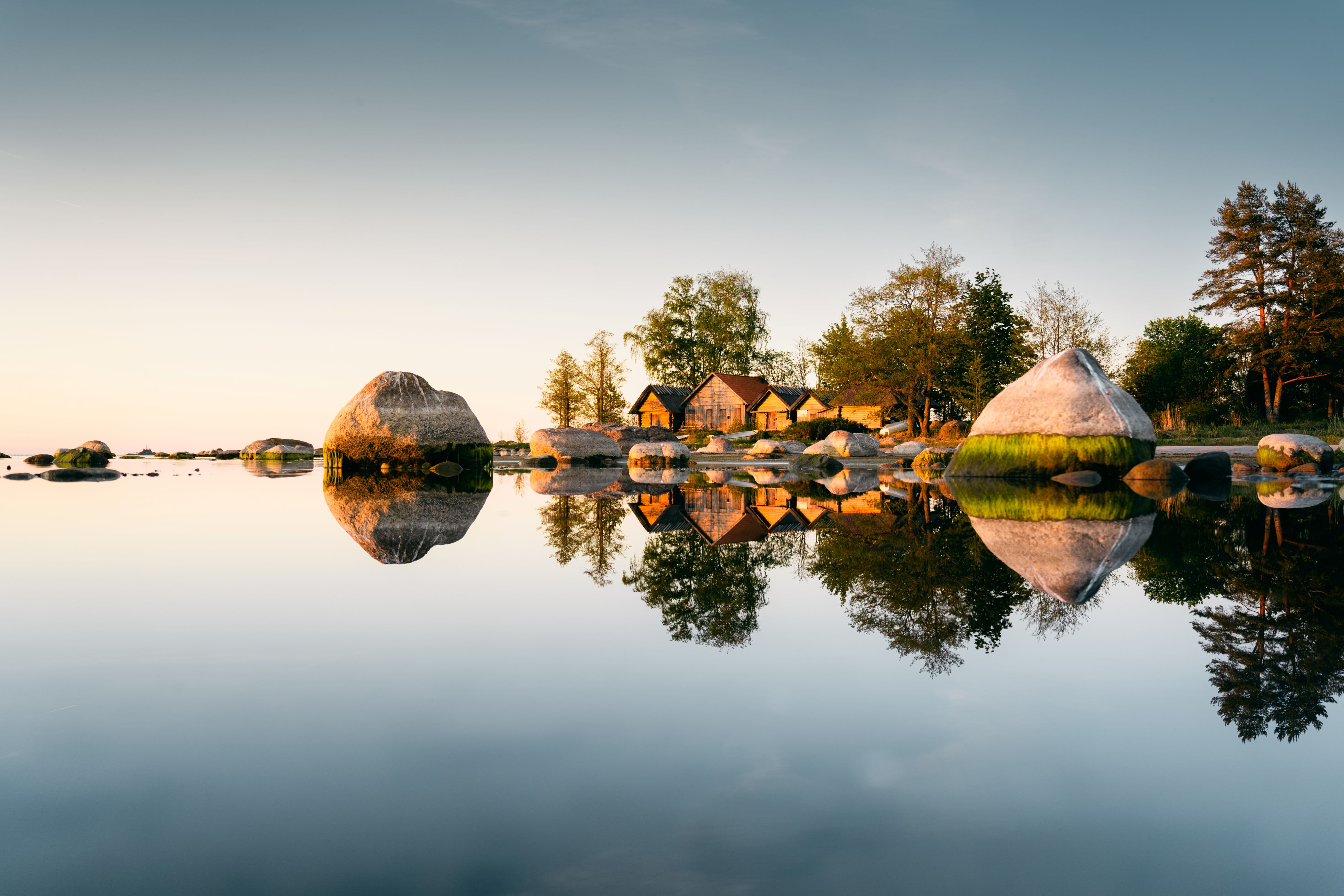
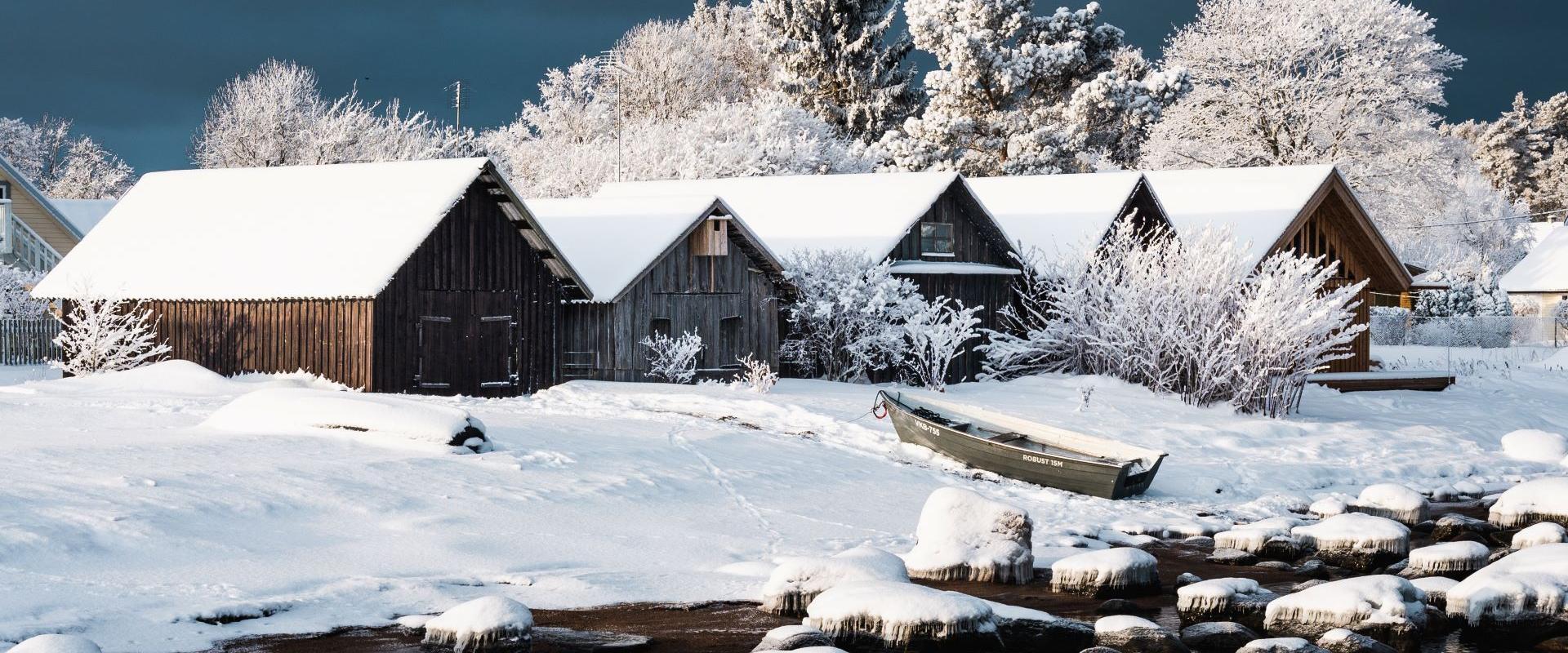
Altja is a typical seaside village, with all of its houses stretching along one street. The village was first mentioned in written records in 1465. The Uustalu and Toomarahva farms at Altja are typical coastal farms and have been restored by Lahemaa National Park. On the headland of Altja, you can see the fishing net sheds which were reconstructed on the basis of old photographs and the memories of the villagers. The village also has its own swing and tavern, where you can try local dishes.

Esku chapel and cemetery
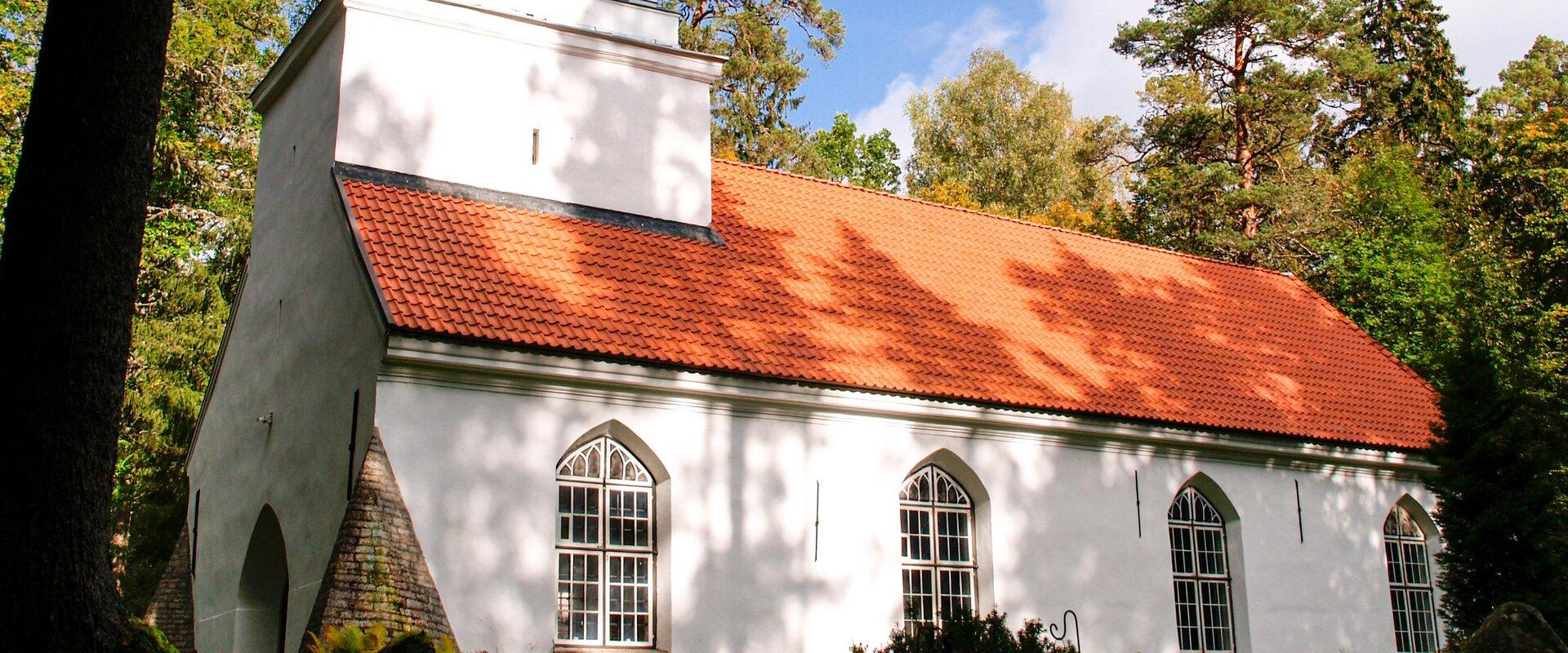
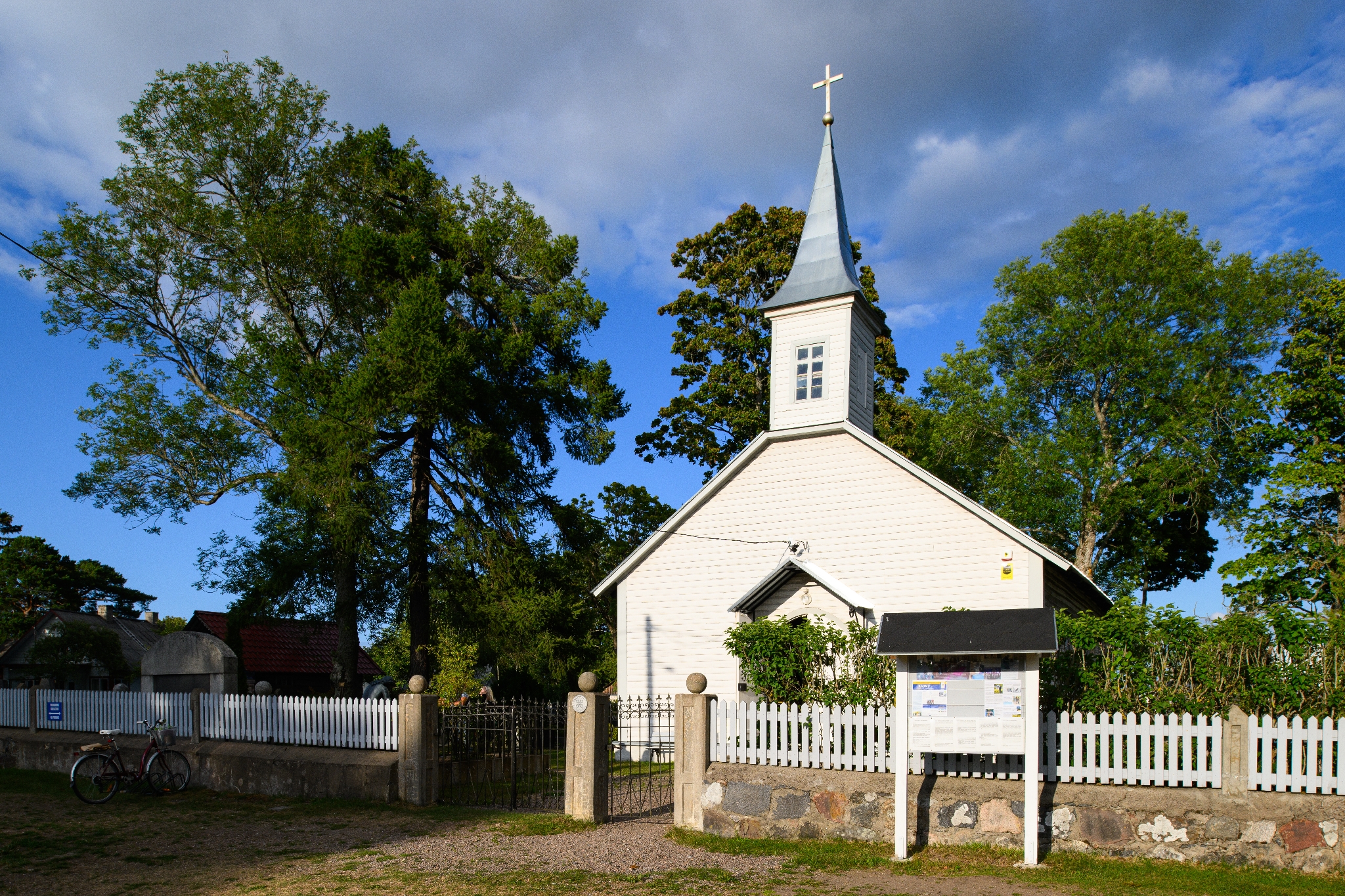
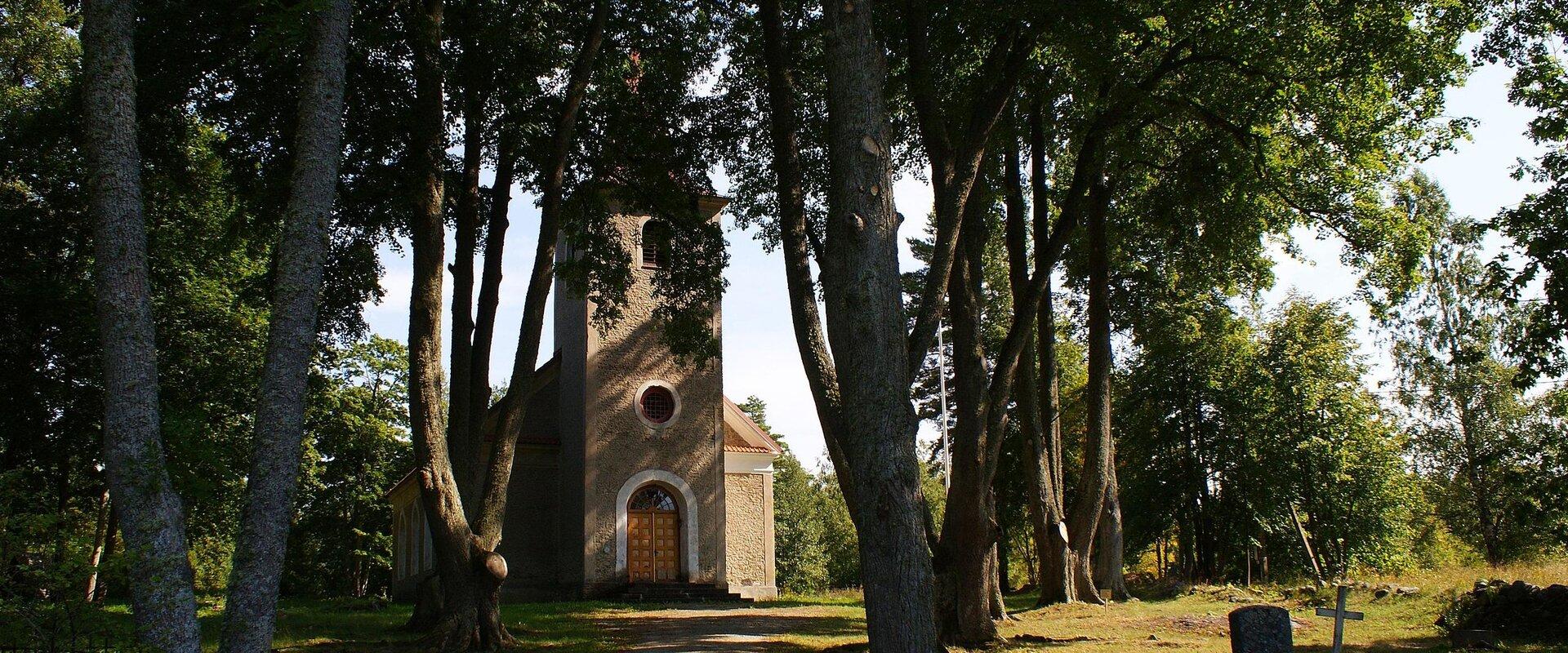
Esku chapel, nestled in the middle of the forest in Lahemaa National Park, was built in 1845 by the von Fock family of Sagadi Manor. It was designed for their use as well as a place of burial for the local farming families. Its garden was redesigned as a cemetery at the behest of Baron Paul Eduard von Fock and is unlike any other you will find in Estonia. What makes it unique are the wooden crosses and small stone name plates you will find here.
Hundikangrud (ancient burial grounds)
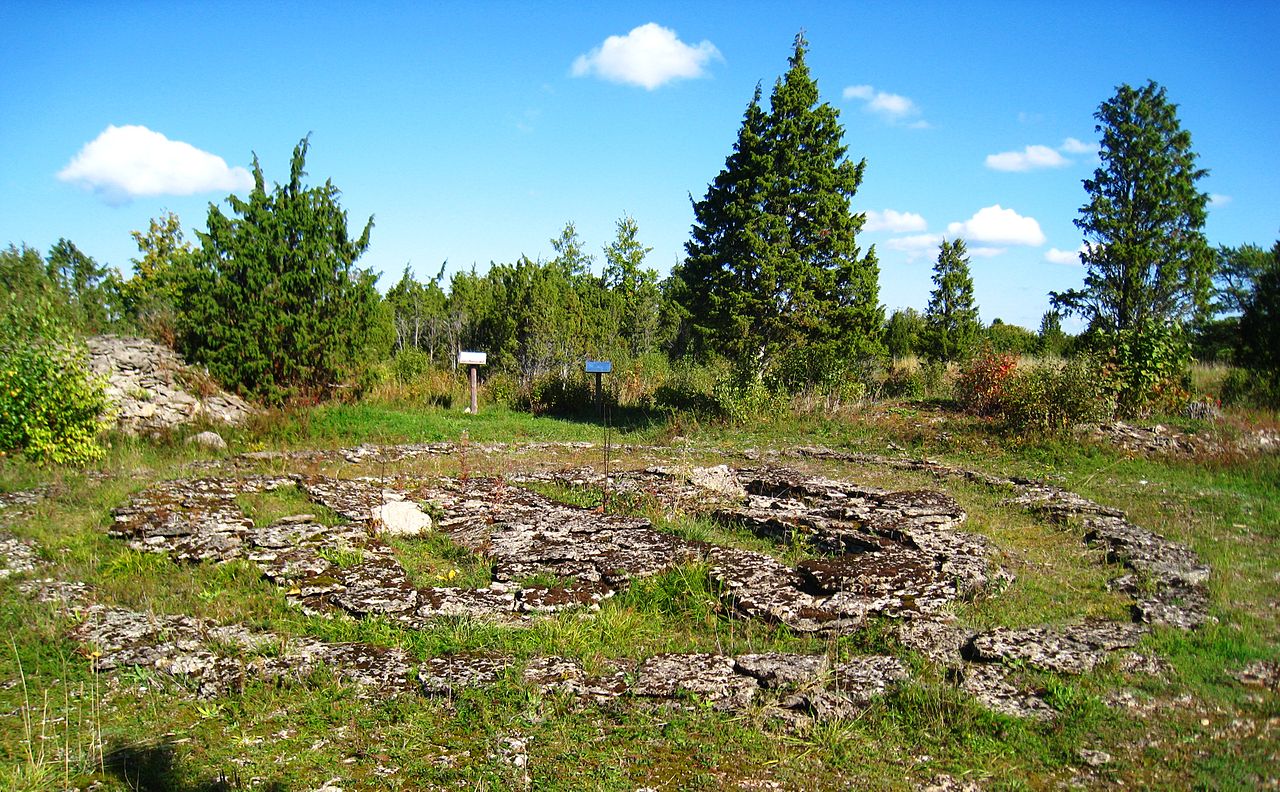
The stone-cist barrows are located south-east of Muuksi Village, on the northern shore of Lake Kahala.

The 85 stone-cist barrows forming the group of Hundikangrud are located on a high limestone region covered with thin soil and stunted vegetation. Today, the bog forest blocks the view from the barrows to the lake. The stone-cist barrows that have spread mainly in Northern and Western Estonia are the basic antiquities that help peek into the everyday life of the Early Iron Age society.

Interesting to know: The most compact part of the stone cemetery was known as Hundikangrud. Making barrows of stone piles is a burial habit originating from the Scandinavian countries, which in Estonia was introduced in the Bronze Age and practiced until the end of prehistoric times – for more than 2,000 years.
Ilumägi chapel and cemetery

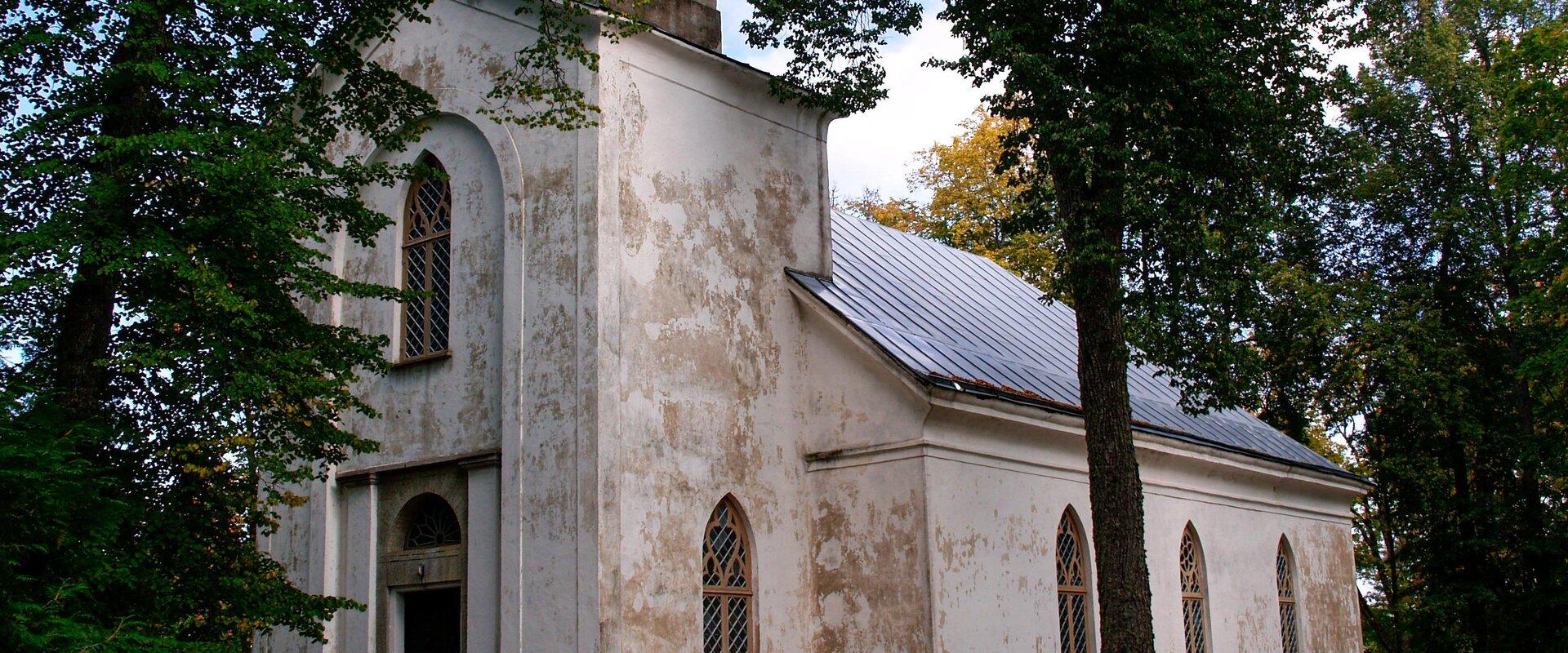
Ilumägi chapel was built by Palmse’s Baron Carl Magnus von der Pahlen between 1814 and 1843 on the site of a former wooden chapel. Its windows are adorned with stained glass produced by the Pahlens and wealthier farmers and officials from Palmse manor. In the cemetery you will see the handiwork of local smiths and stone hewers in its crosses. The fenced-off section of the cemetery holds the remains of the Pahlen family.

Ilumägi hill sacred lime tree
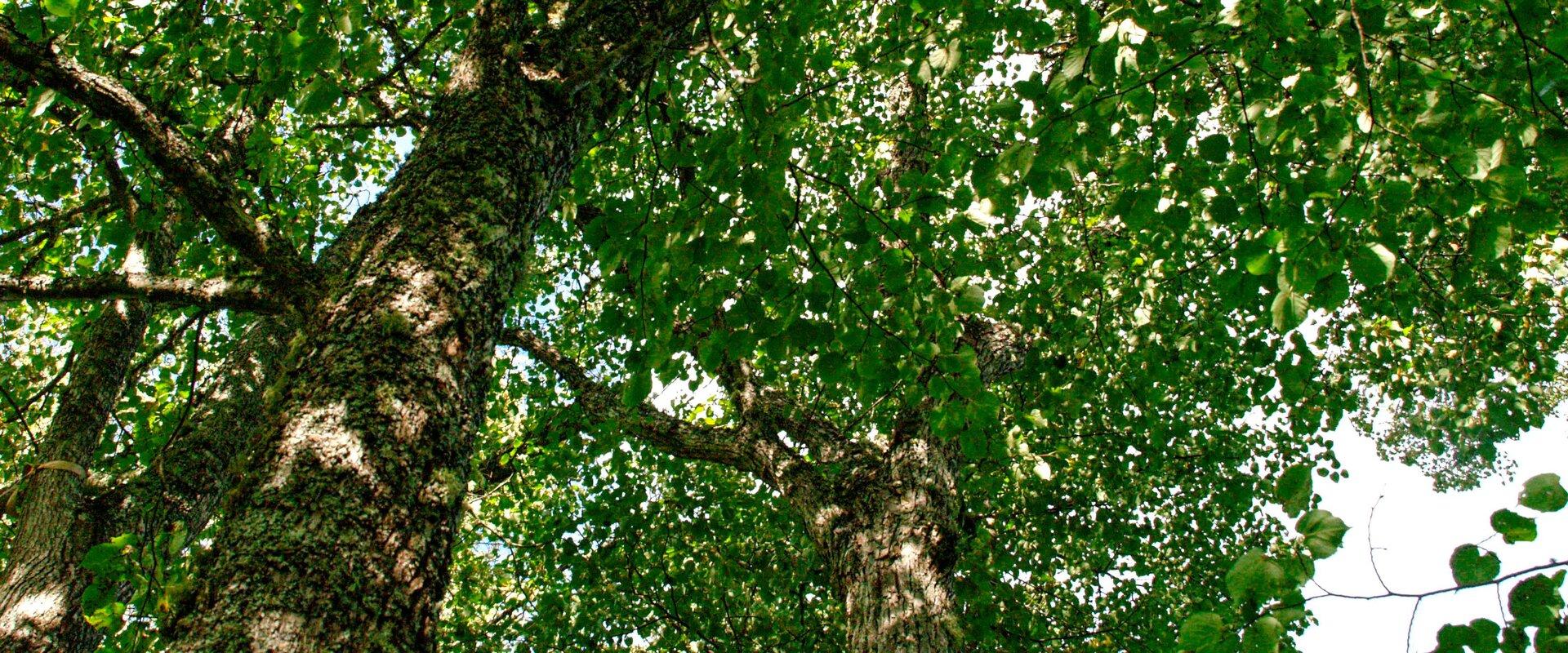
The lime tree on Ilumägi hill is one of the few remaining trees in Lahemaa National Park that was considered sacred to ancient Estonians. According to the recollections of locals, tributes were still being brought to the tree as recently as the early years of the 20th century. People believed that if you offered something nice to the tree, something good would also happen to you. A spring once emerged from beneath the tree whose waters were used to treat eye problems, but it has since dried up.
Jäneda Manor
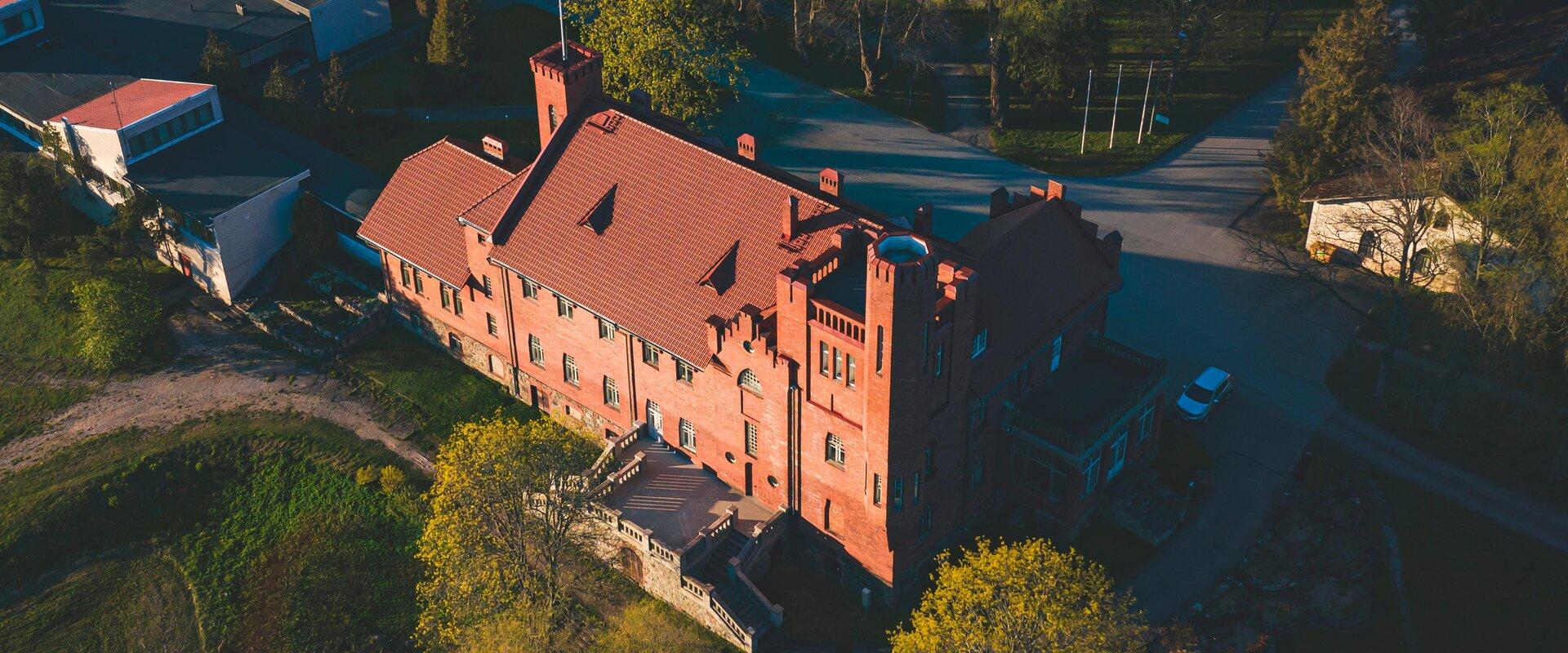
For years, the heart of the village of Jäneda has been the manor. The current manor building was built by Johan von Benckendorf in 1913-1915. The history books remember this manor as being connected with Maria Zakrevskaya Benckendorf thanks to her life full of adventure: her ties to the attempted assassination of Lenin, her life with world-renowned writers Maxim Gorky and H. G. Wells. Good to know: the manor can be viewed from the outside every day; groups can book ahead to visit the interior and museum, with tours available in Estonian, Russian, Finnish, German and English.
Juminda Lighthouse
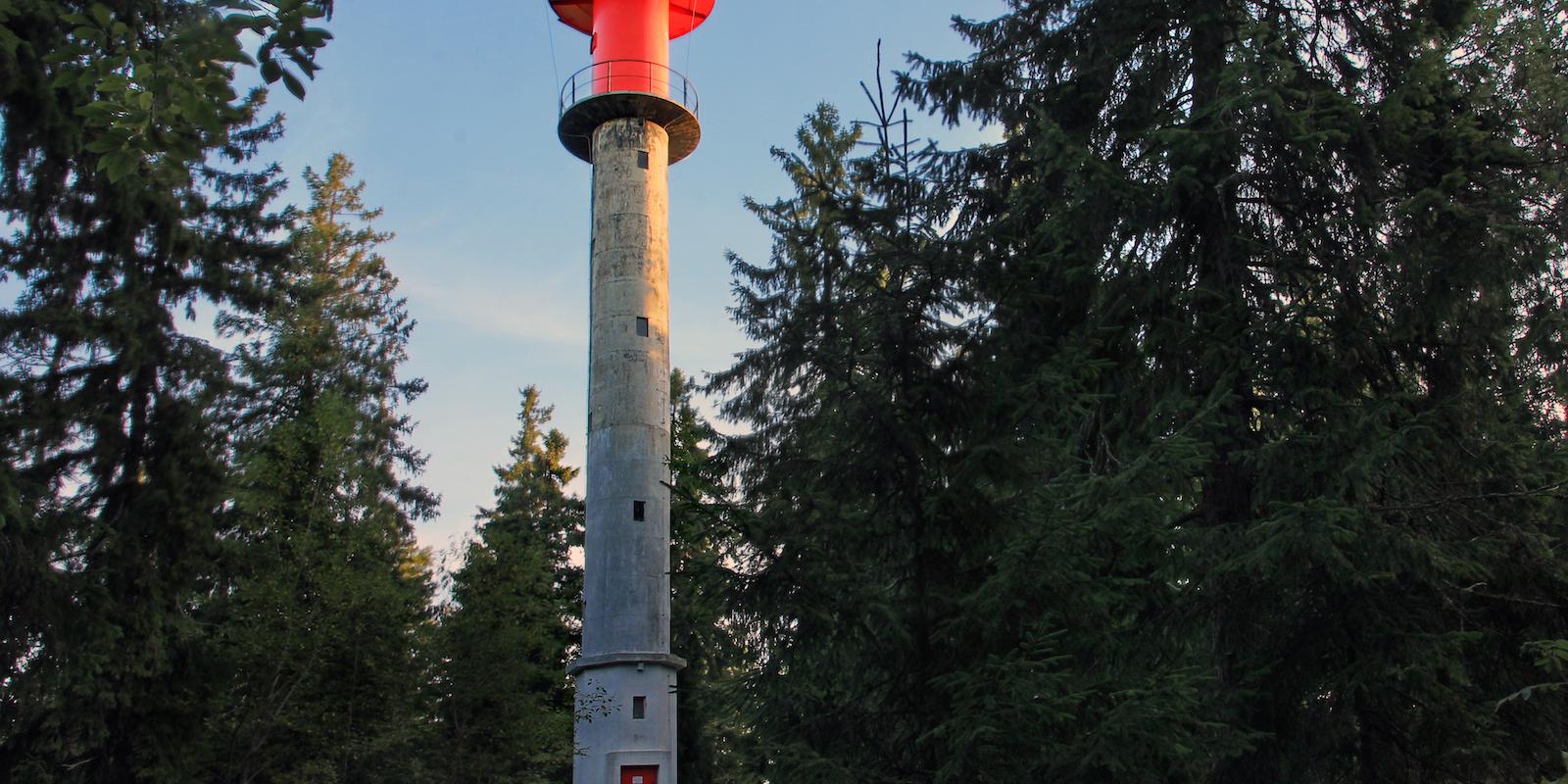
The lighthouse at the northern part of the Juminda Peninsula on the northern coast helps ships navigate.
The lighthouse was built in 1937 and obtained its today’s height and shape in 2006.
During the Soviet era a rocket base under the strict surveillance of border guard was located on the peninsula. 
In August 1941 a naval battle with the highest victim count was held at the end of the creek of the Juminda Peninsula. Juminda Peninsula has also been mentioned on several occasions in the stories of the Estonian national epic Kalevipoeg (Son of Kalev).

The lighthouse can only be viewed from afar. But the history of the peninsula is so fascinating that you’ll find a day’s worth of exploring there!
Kadrina Church of St. Catherine
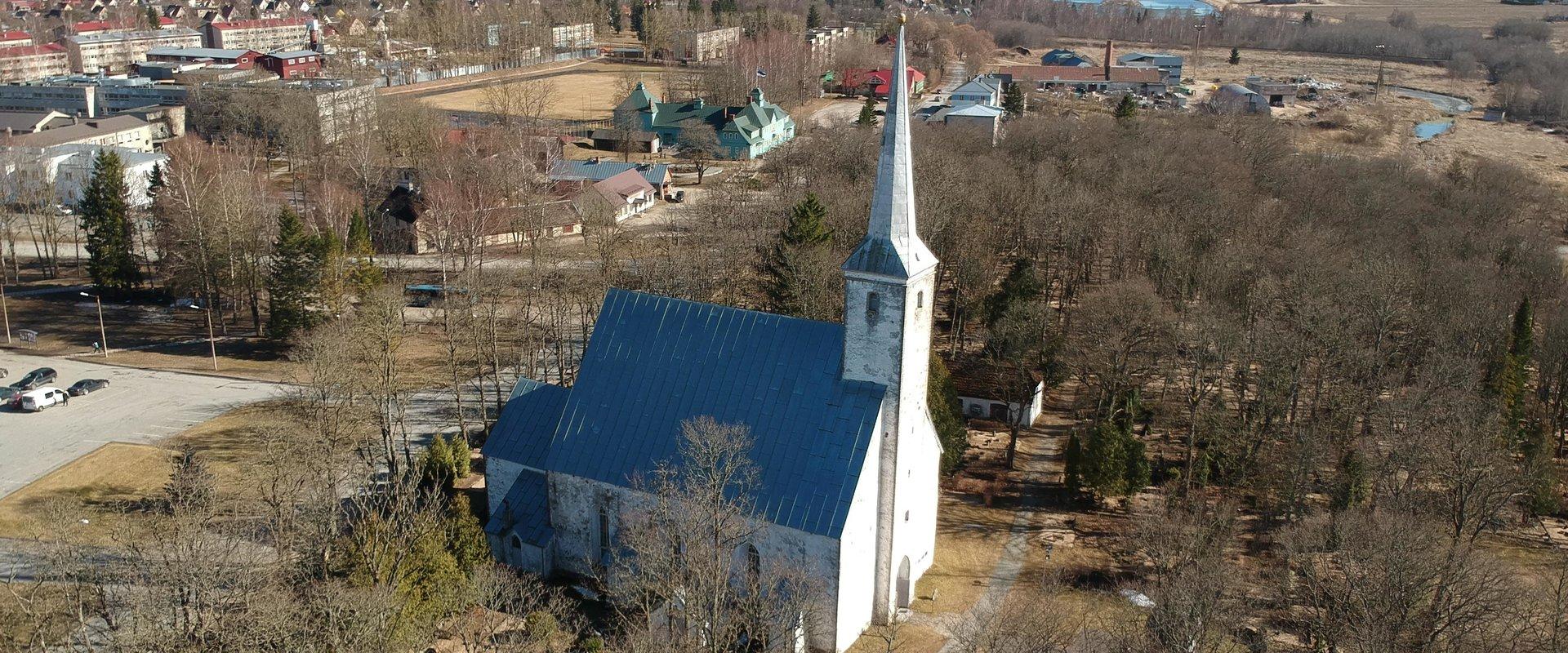
Saint house with slender tower. There is a lot to see: wall paintings, late medieval crucifix, rare organ. In the church garden the Freedom war monument. Before entering the church it is worth to look at the outer wall of church that is decorated with small cross signs.
Käsmu captains’ village
The earliest written records of a village in Käsmu date from 1453. It was home to a maritime school, and virtually every family had its captain or coxswain schooled there. That is why Käsmu was known as the “captains’ village”.
Today it’s a popular place for summer holidays and hosting events. You can rest and relax here strolling along the beach, exploring the natural beauty of the area on its hiking trails, enjoying the events put on here, and visiting the Käsmu maritime museum.
Käsmu chapel and cemetery
The village of Käsmu is home to a wooden chapel, erected using money donated by the villagers in 1863. The surrounding cemetery is the final resting place of more than 30 sea captains who brought prominence to the village. The cemetery has one of Estonia’s most beautiful monuments, erected by a Captain Tiedemann in memory of his most beloved daughter Signe, who died at a young age. Made in Finland from cast metal, the monument was completed in 1937.
Kiiu Vassal Stronghold, or the Kiiu Tower
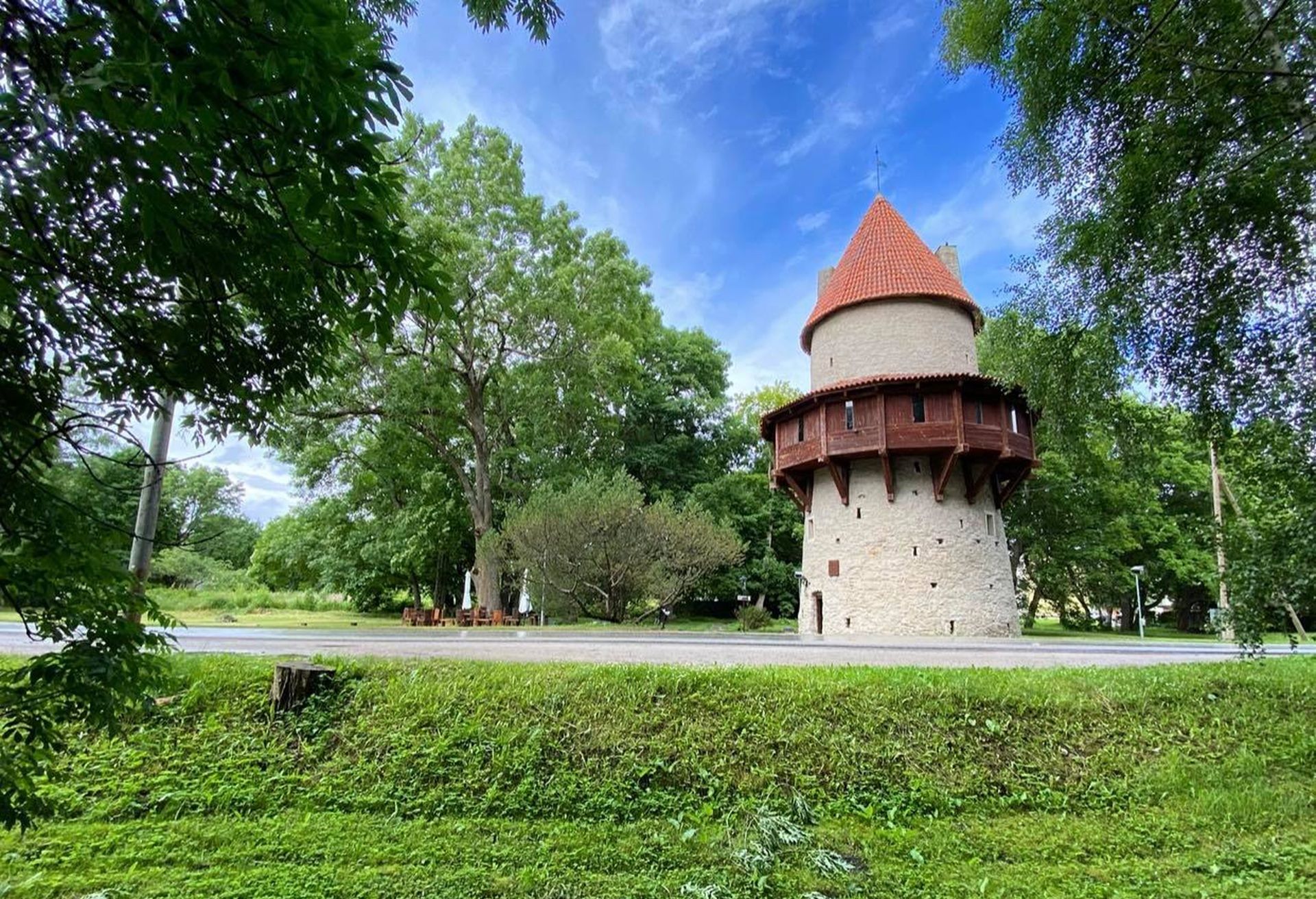
The medieval Kiiu Tower was probably completed in the beginning of the 16th century, and it is located in Kiiu manor park.

This former residential tower is the smallest surviving medieval defensive structure in the Baltic countries. The tower has four floors; the walls are 1.8 m thick, and the inner diameter of the tower is 4.3 m. Narrow windows served as embrasures, the circular balcony was a defence passage.

In the time of war, only the first floor was used as living quarters; the rest was for defence purposes. The defence passage that surrounds the second floor and rests on beams is unique in the Baltic countries.

The defensive structure, which resembles a Dutch windmill from afar, was restored in 1974. The tower also houses a café.
Know your homeland – bicyle tour in Jõelähtme and Neeme

Those who have cycled on the dusty gravel roads near Jõelähtme in the middle of the scented forests know that some moments in life are more beautiful than others. Underground rivers, the Jõelähtme waterfall, and the burial site from the Bronze Age make it an attractive place for those interested in archaeology as well. The tiny Neeme fishing village between the coastal meadows is less known compared to the famous places in Lahemaa, but it is an undiscovered pearl. What might be even more important than reaching the destination is the joy of the journey – while cycling on the twisty roads, it is rather likely that you will meet a fearful deer or a fox snooping behind a bush.

The bicycle and guide service are included in the price of the daily tour.

Kolga Manor

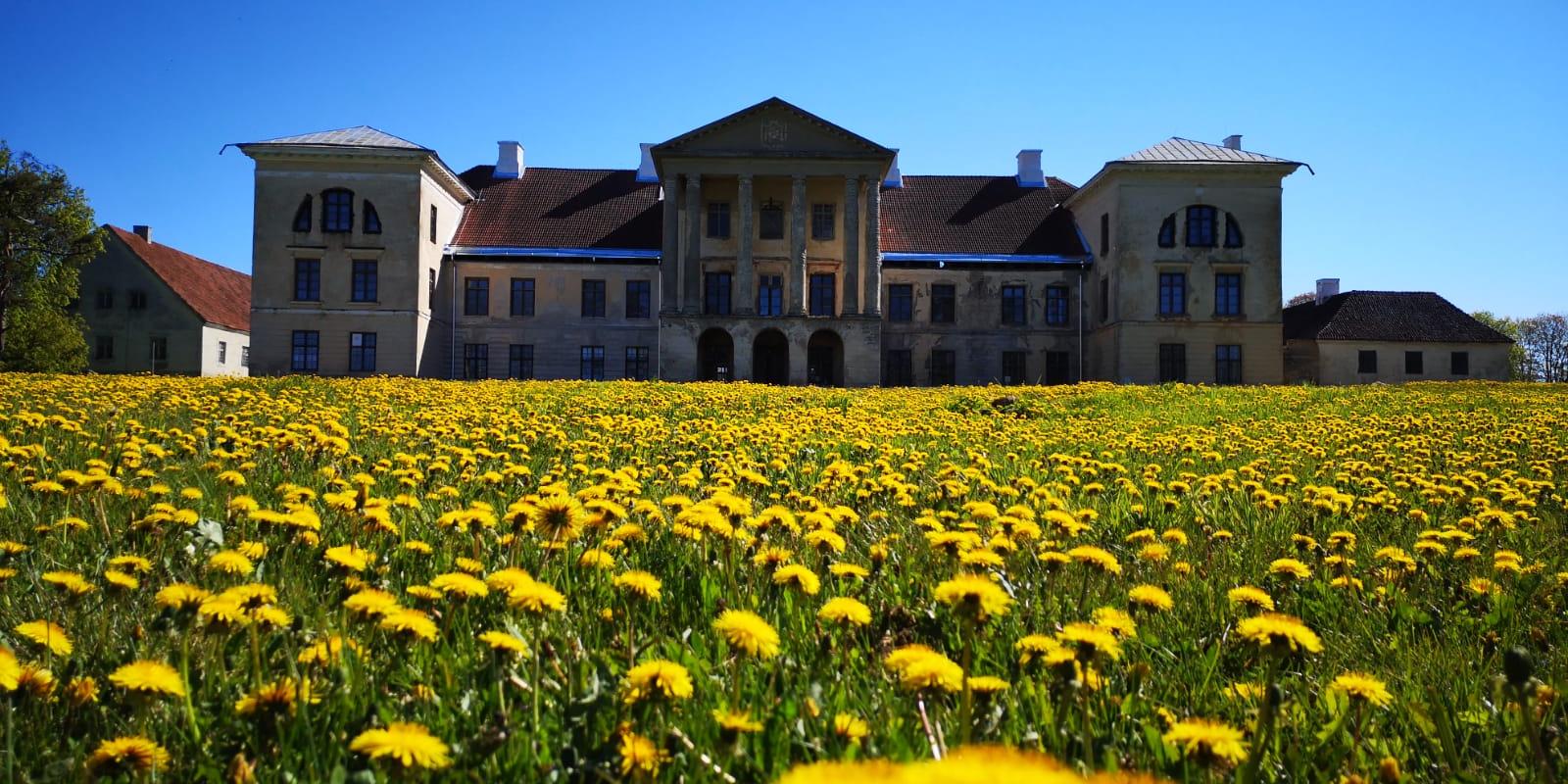
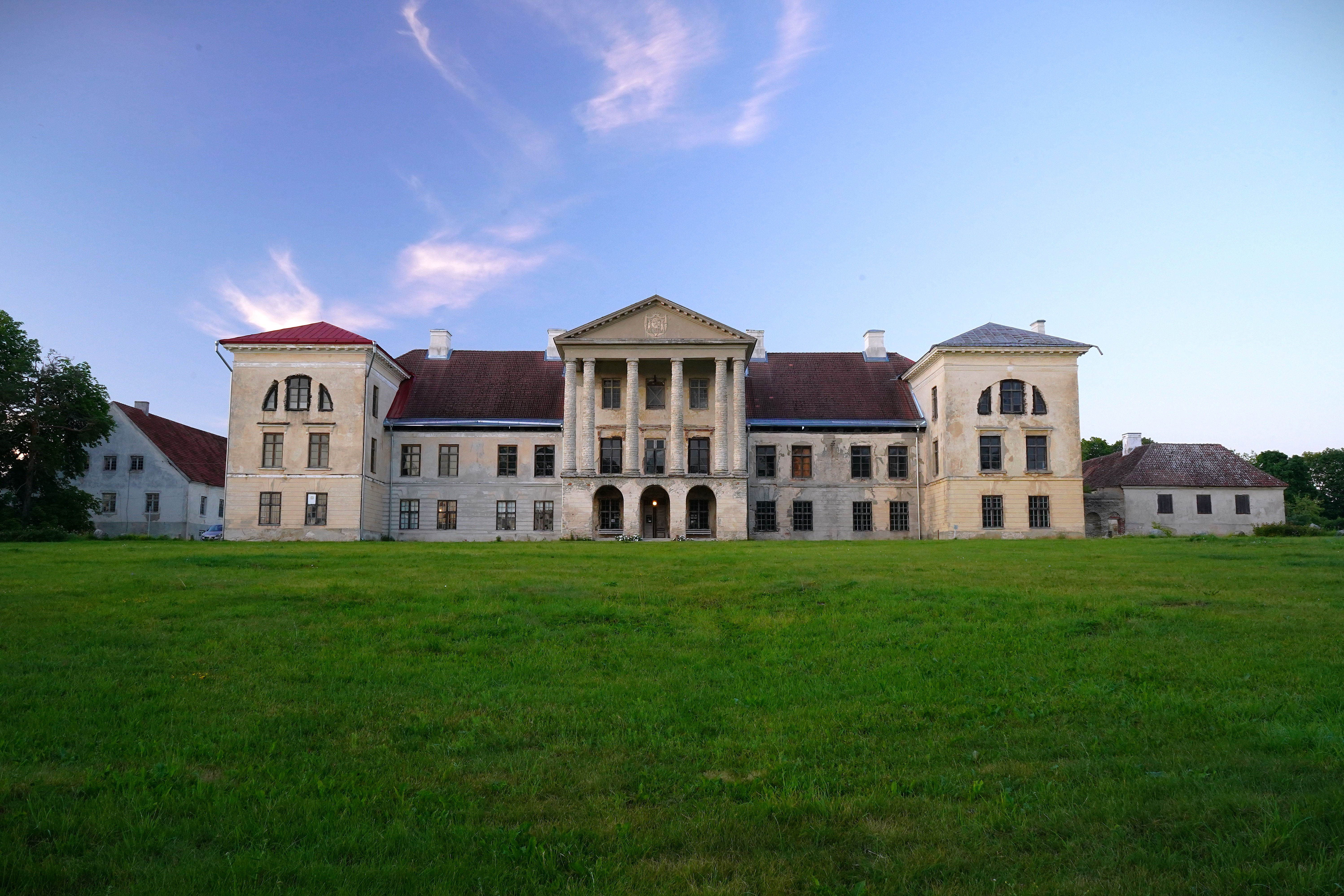
Kolga Manor is one of the largest and most historically important manor complexes in Estonia. It is located in the western part of Lahemaa National Park.

The main building exudes a sense of history. According to the first reports, the 13th-century Kolga Manor belonged to the Cistercian order. The manor’s main building acquired its current appearance at the beginning of the 19th century, when the previous building was rebuilt into a classicist palace. Although some buildings have not yet been renovated, the manor complex still leaves a grand impression.

The manor is privately owned. You can visit the main building by appointment, during events, and on guided tours. Next to the manor house, you will find Kolga Museum.

Lahemaa Heritage House

Lahemaa Heritage House preserves, cultivates, promotes, and passes on our cultural heritage by changing attitudes, holding training and events, and practicing a hands-on lifestyle.

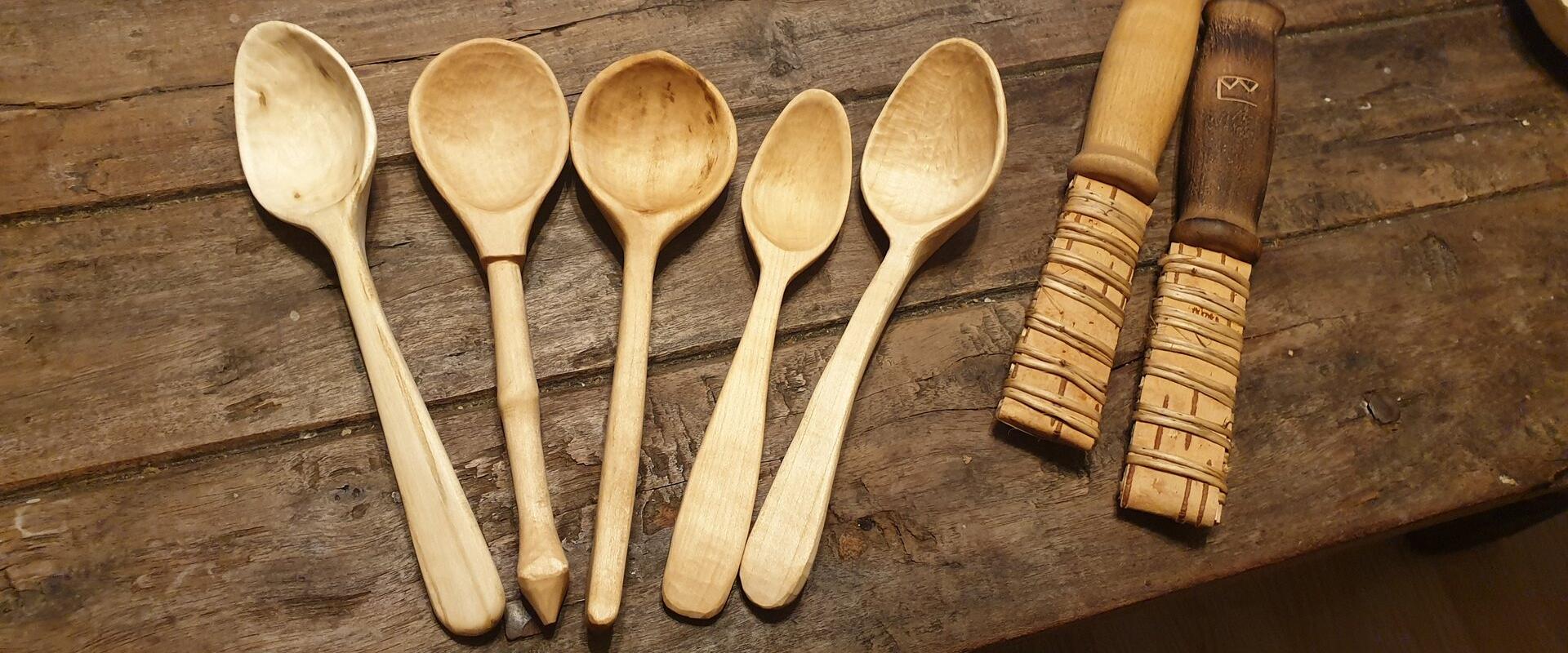
When visiting the Heritage House, you can pet and feed sheep, learn about our story, sit in the hut, make crafts and participate in old customs. In traditional handicraft workshops, you can make simple or complex objects from wood, wool, or other materials under the guidance of skilled craftsmen. You can use our hut and, if you wish, the sauna, and we can also organize a campfire experience.

Children are also very welcome. Visit us yourself or invite us to bring our workshops to your place!

Leesi Katariina kirik

Juminda poolsaarel Lahemaa Rahvuspargis asuv rannarahva kivikirik ja kalmistu põlispärnade varjus on lihtne ja ruumimõjult arhailine. Värviliste kujudega kantslil leidub Harju-Jaani vana kiriku kantslilt pärinevaid varabarokseid nikerdusi aastast 1646, silma rõõmustavad ennistatud klaaslühter, iidne rahapakk ja Mart Paadimeistri purjelaevamudel aastast 1920.

Tänapäeval käib kirikus evangeelne luterlik kogudus. Jumalateenistused toimuvad pühapäeviti kaks korda kuus.

Loodusgiidiga Lahemaa filmipärandit avastama

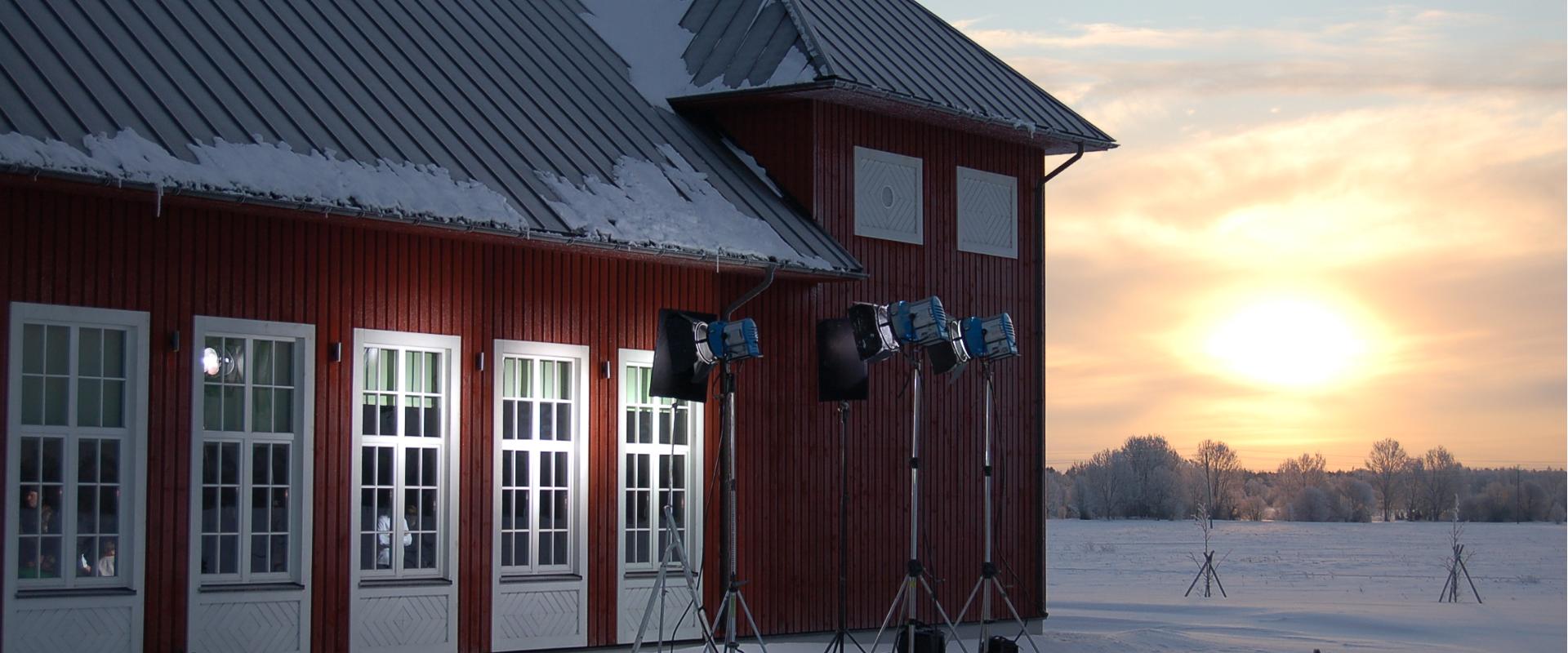
Kas teadsid, et filmid “Inimesed sõdurisinelis”, “Tulivesi” ja “Vanad ja kobedad saavad jalad alla” on kõik filmitud Kolgakülas, Harjumaa Hollywoodis? Kahetunnisel loodus- ja filmiretkel avab kohalik giid põneva maailmapildi sellest, miks just Kolgaküla on olnud aastaid üks Eesti populaarsemaid filmivõtete paiku. Jalutame mööda kaunist Lahemaa rahvuspargi loodust, külastame võttekohti ning kuuleme kohalike värvikaid lugusid sellest, kuidas filmid päriselt sündisid.

2,5 km pikkune retk algab Kolgaküla rahvamaja juurest ja kulgeb mööda mõnusat metsateed. Matk sobib peredele ja on läbitav ka maastikul liikumiseks mõeldud lapsevankriga.

Muuksi stronghold hill
Muuksi stronghold hill was established on a naturally suitable small cape. At the location of the stronghold, the western side is up to 10 metres higher than the surrounding ground. 

Its main task was most likely to be the coastguard and lighthouse.
The stronghold area was protected by a sharp and high cliff from the north and by an arched stone wall from the south. Today, the courtyard of the stronghold is surrounded by a partially preserved low sodded wall.

Archaeological excavations have proven that the site was first inhabited during the first millennium BC, the castle was established at the end of prehistory, and some of the findings are probably from the 11th to 13th century.
Neeruti Mõis Buxhöwden

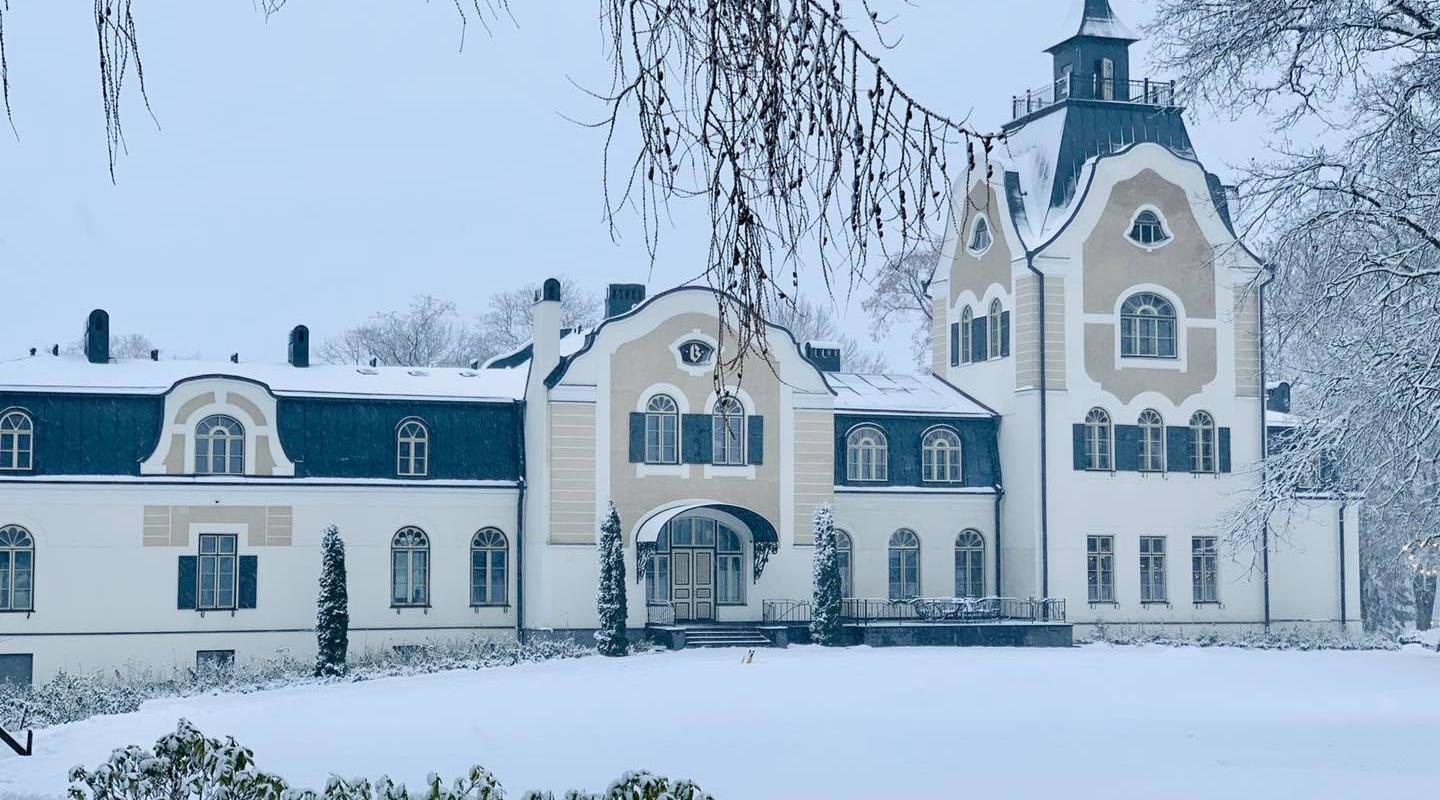
Lääne-Virumaal, Neeruti maastikukaitseala piiril, asub Neeruti mõis – üks väljapaistvamaid juugendstiili näiteid Eestis. Esimesed teated Neeruti mõisast, saksa keeles Buxhöwden, pärinevad 1406. aastast. Tollase omaniku, von Buxhöwdeni nimi on kinnistunud mõisa saksakeelse nimena.

Kõrvalhoonetest on tähelepanuväärsemad klassitsistlik ühekorruseline valitsejamaja ja ait ning uusgooti stiilis teenijatemaja-pesuköök. Peahoone on ebasümmeetriline ning selle ilmet kujundavad mansardkorrus, arvukad voluutjalt kumerduvad frontoonid ja muljetavaldav, 30 meetri kõrgune vaaterõduga torn lõunatiival.

Tänapäeval on Neeruti mõis eraomandis ning hoone on üldjuhul vaadeldav vaid eemalt. Aeg-ajalt avatakse mõisa uksed siiski külastajatele – seal korraldatakse kontserte, lahtiste uste päevi ning muid kultuuriüritusi, mis annavad harukordse võimaluse ajaloolise hoonega lähemalt tutvuda.

Palmse Manor and Open-Air Museum
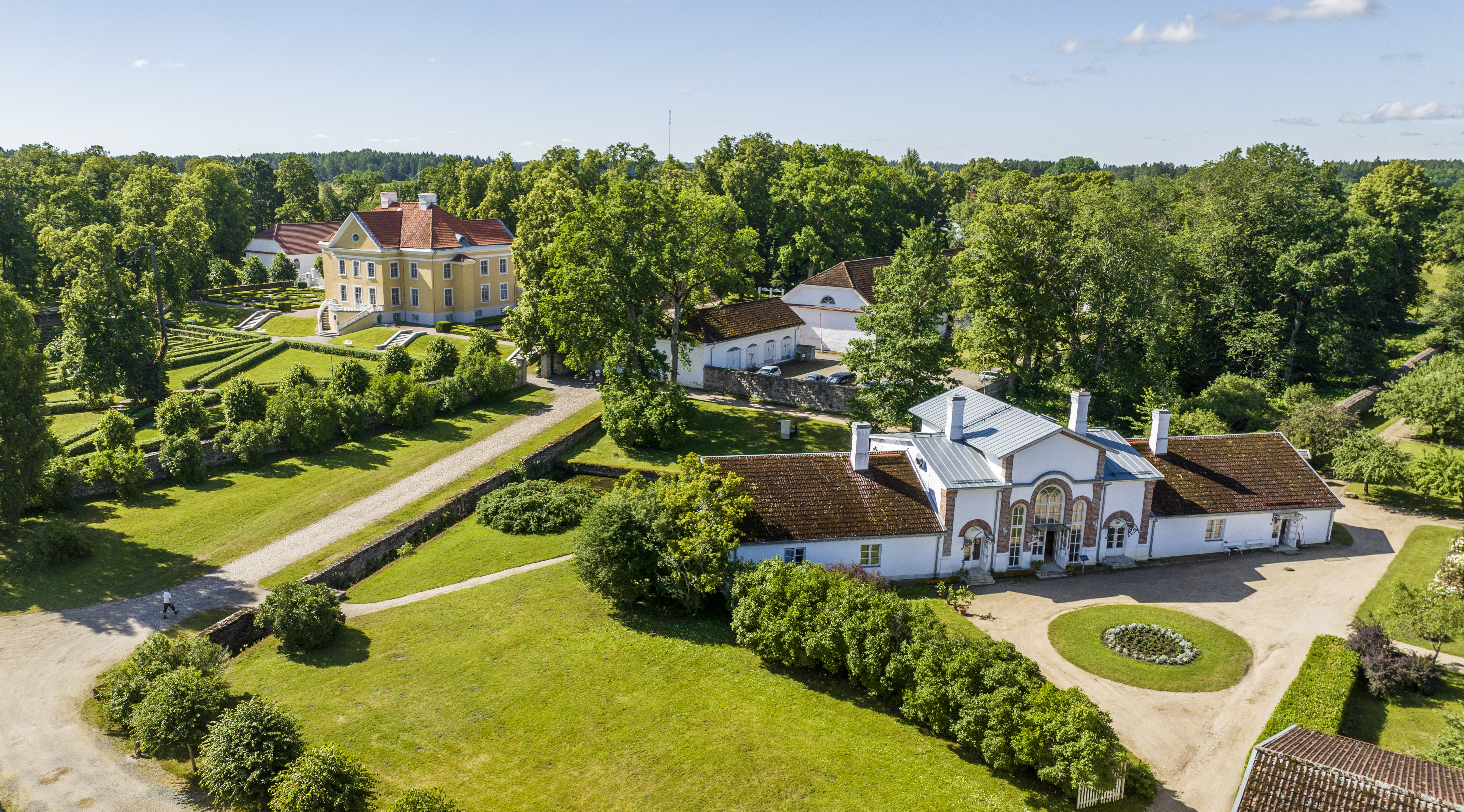
Palmse Manor is one of the grandest baroque mansions in Estonia. The mansion and open-air museum made up the first fully restored manor complex in the country. They are surrounded by the beautiful natural environment of Lahemaa National Park and provide an overview of Estonian manor life and architecture throughout the ages. The open-air museum boasts parks, gardens, and historical buildings. It also features exhibitions, workshops, a training centre, a wine cellar, a romantic café, and a tavern serving national dishes.

Did you know…?
– You can take part in different events at the manor that are designed for children, history enthusiasts, adventurers, and romantics
– The manor is a popular venue for exhibitions, plays, and concerts and the perfect location for training events, conferences, weddings, and receptions