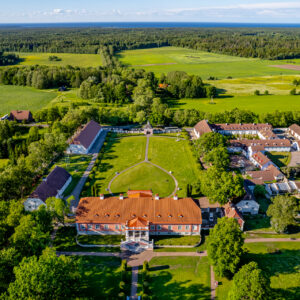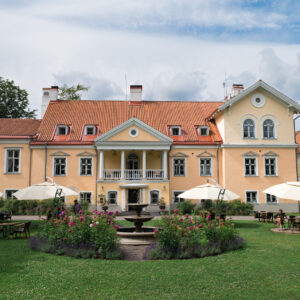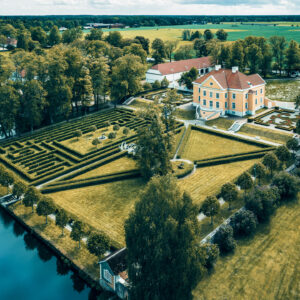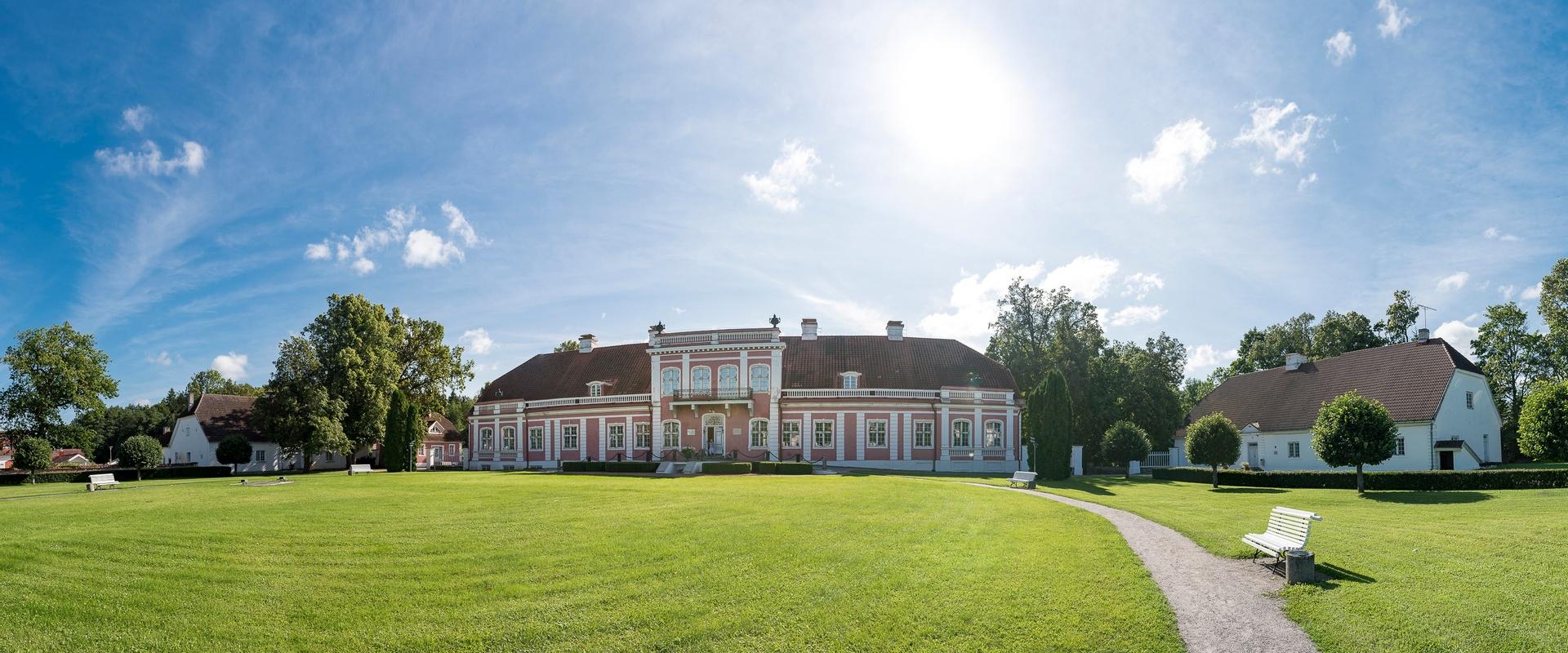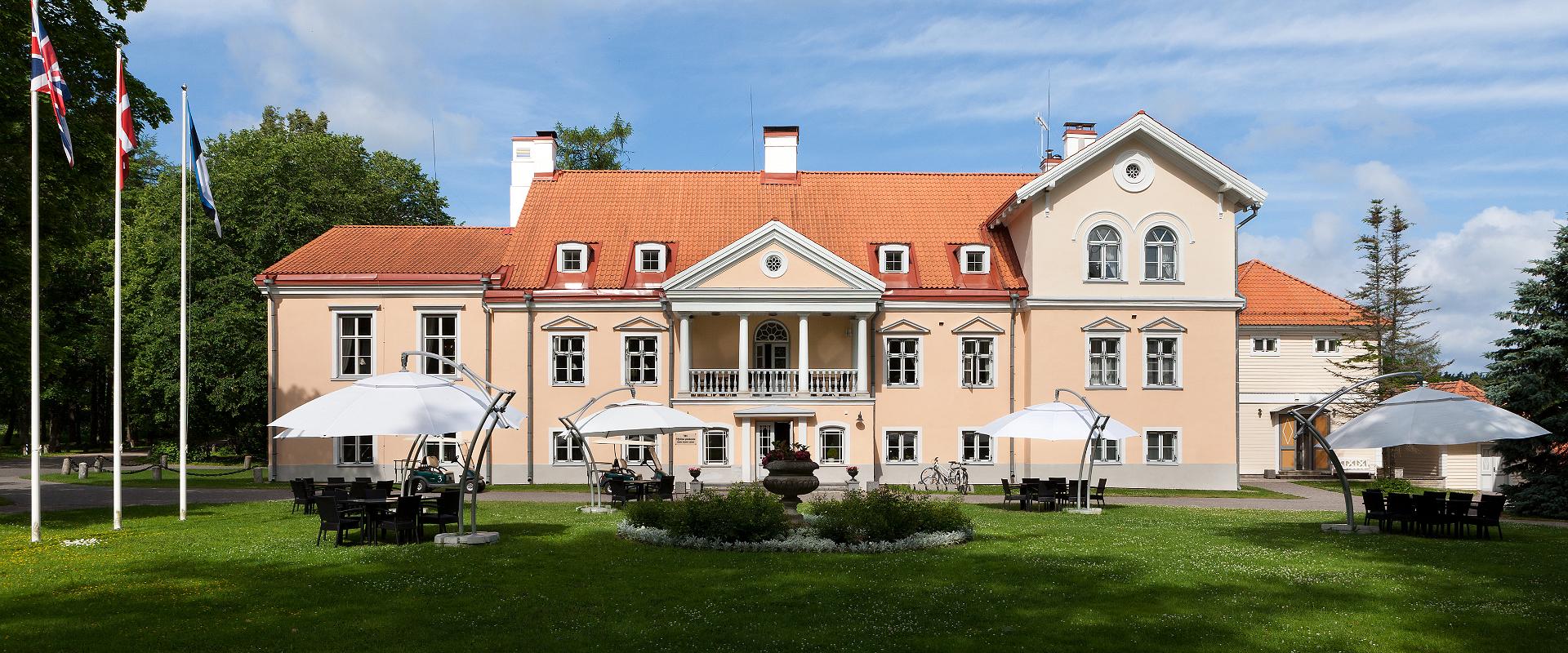

You can find the most outstanding works of Lahemaa’s architectural history in Kolga, Palmse, Sagadi, and Vihula. Estonia’s largest manor, Kolga Manor, which belonged to the Stenbock family, is still awaiting the skilled hand of a restorer to restore its former glory. However, in Palmse, Sagadi, and Vihula, the manors are available for viewing in their full splendor. There you will find the opportunity to stroll through well-maintained gardens and parks, and also experience unique manor interiors.
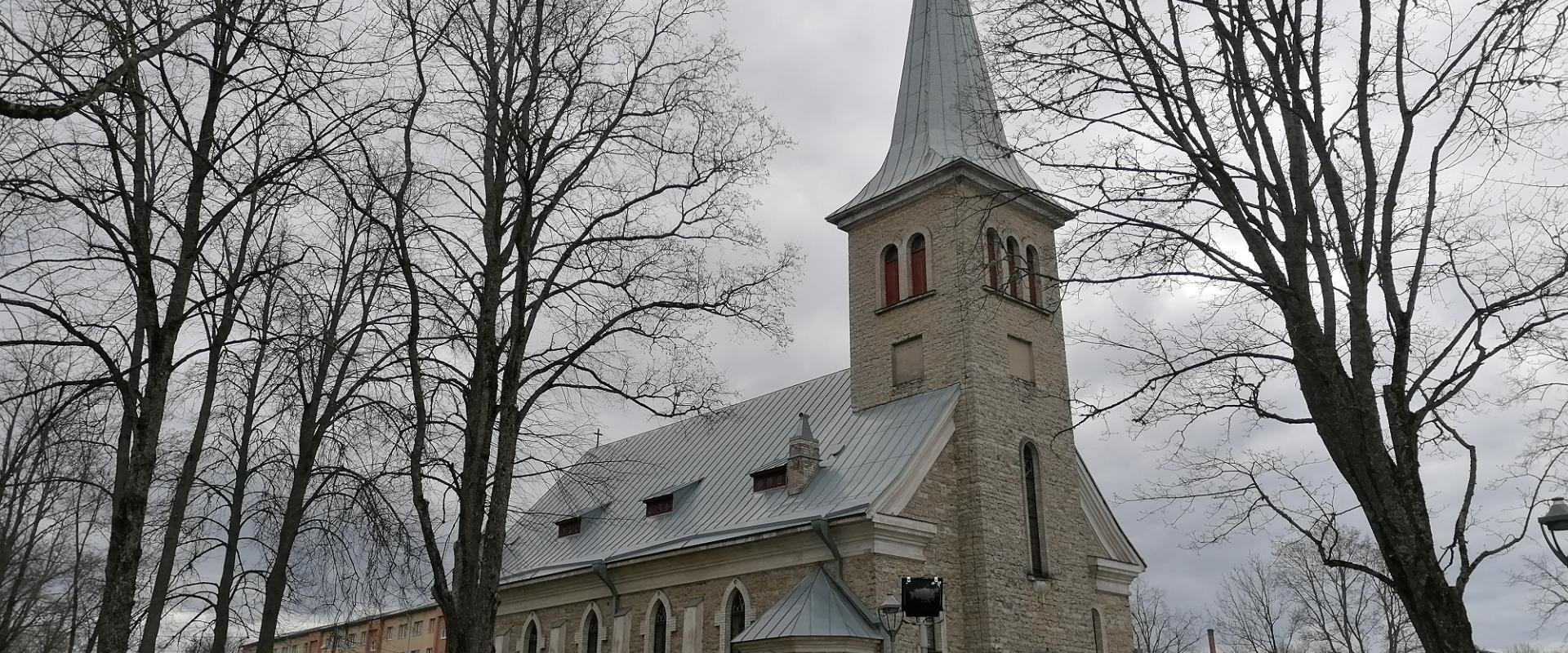
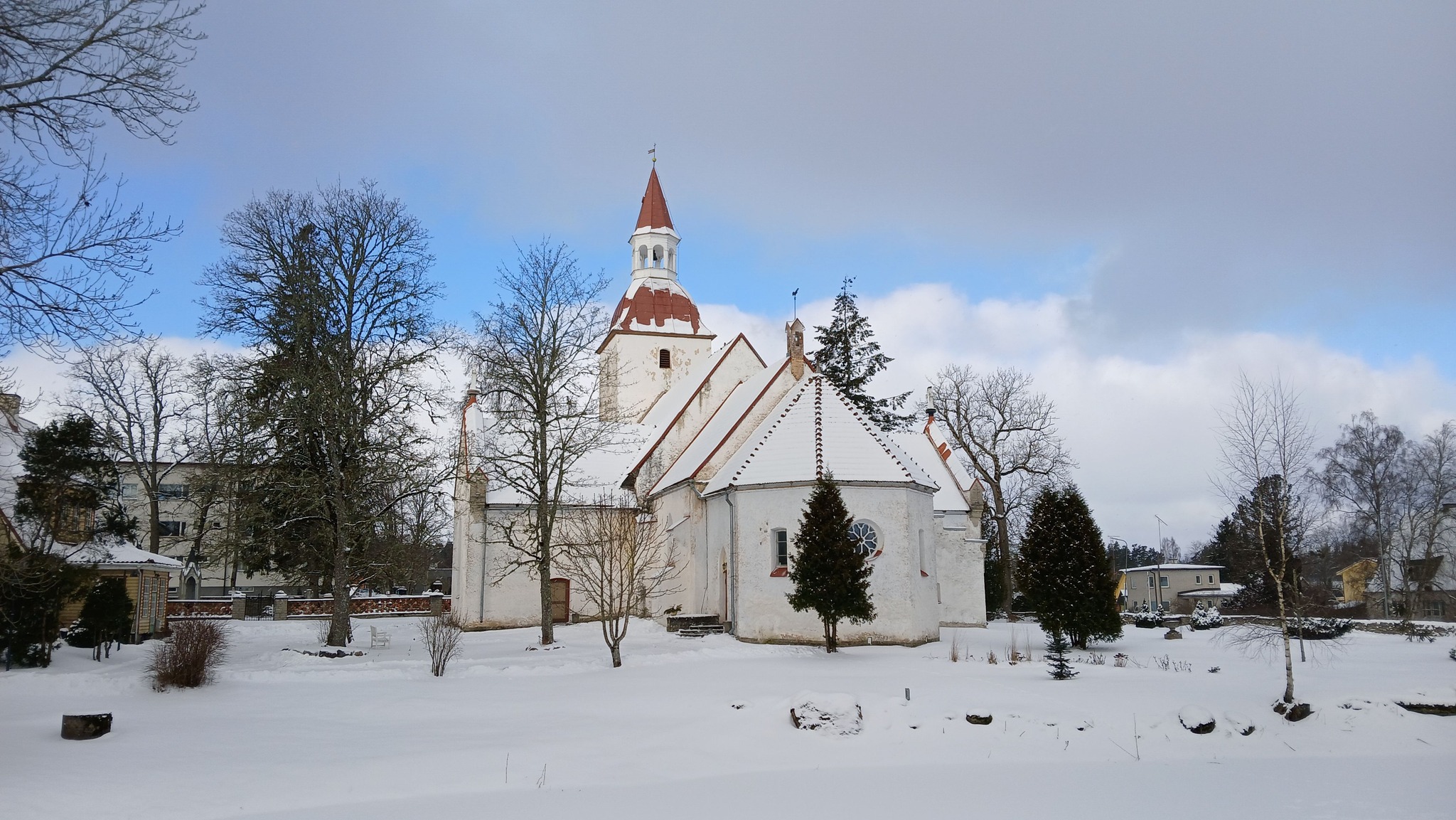
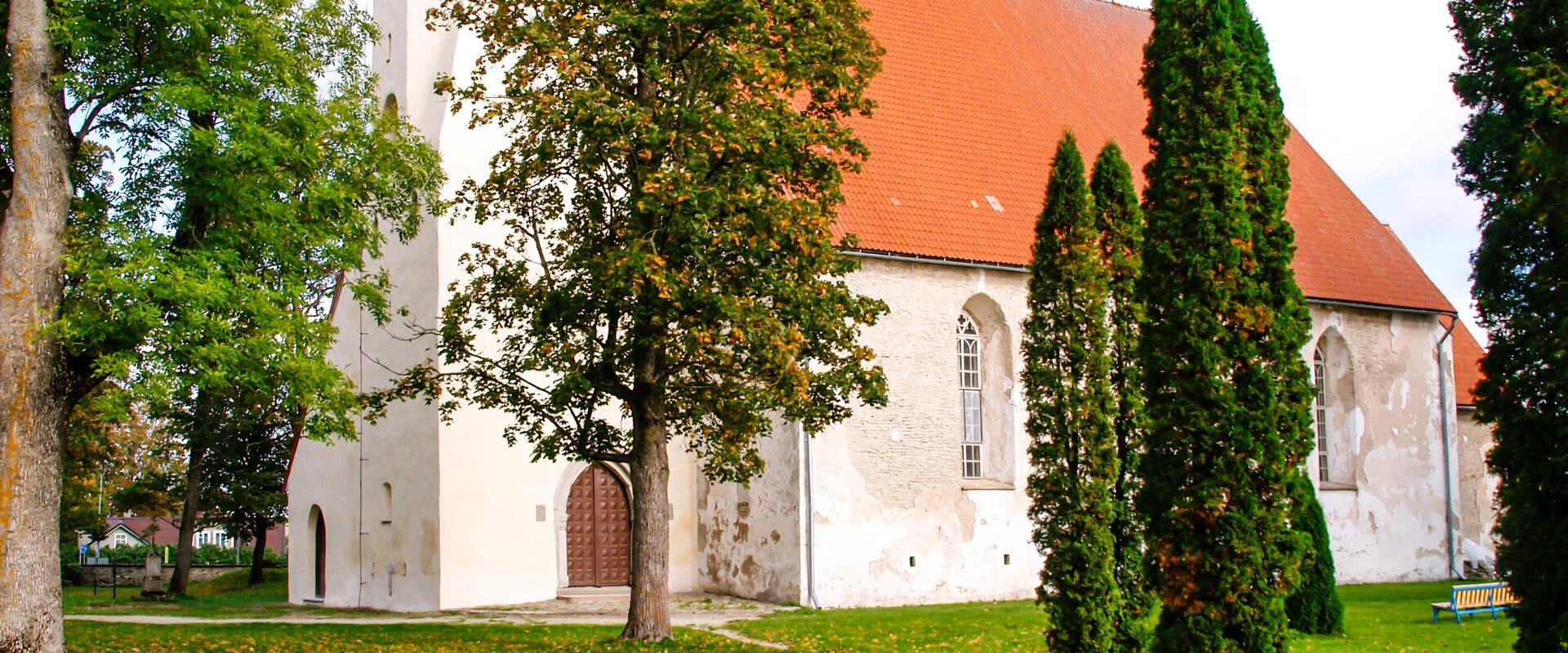
Kuusalu Church, dedicated to protodeacon martyr St. Lawrence, is considered to be one of the oldest stone churches in Northern Estonia. It was most likely the Gotlandish Cistercian monks who started building a house of God on the boundary of their property next to the holy springs in Kuusalu at the end of the 13th century. By following their own traditions, of course.
In addition to the pulpit, altar, and clock tower, the older art heritage in St. Lawrence Church in Kuusalu also includes chandeliers, Eucharistic vessels made of tin, candle holders, and an embossed brass bracket from the 17th century. Other rarities include the portraits of Luther and Melanchthon as glass paintings.
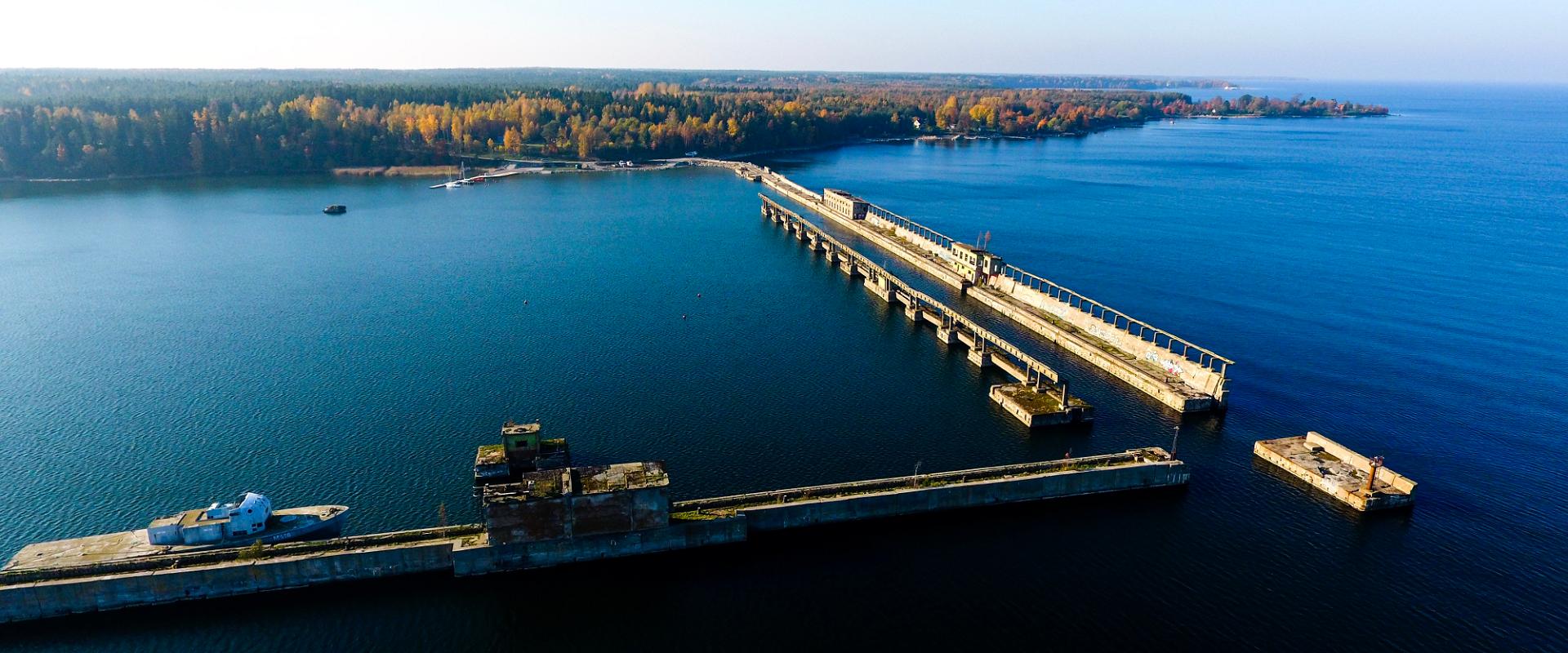
In the heart of Lahemaa National Park, where nature and military history converge, lies the Hara Submarine Base – a unique place that transports you directly into the Cold War era. In the Soviet Navy’s secret demagnetization station, the hulls of ships and submarines were made invisible to magnetic mines. Today, these eloquent concrete ruins stand, gradually reclaimed by nature, creating a mystical atmosphere.
On the pier, you can explore an exhibition that tells the story of Hara Island, the border guard, and the military, as well as the legendary sailboat Tormilind that was built here. You can walk through the ruins and explore the history of Hara Harbor yourself, while guided tours reveal even more intriguing stories of secret life and the technology used at the base.
Hara Harbor offers accommodation, catering, and activities on sea and land — there’s enough to do for an adventurous weekend getaway. Explore this historical site, where every step brings you closer to both the beauty of nature and the mystery of the military past.
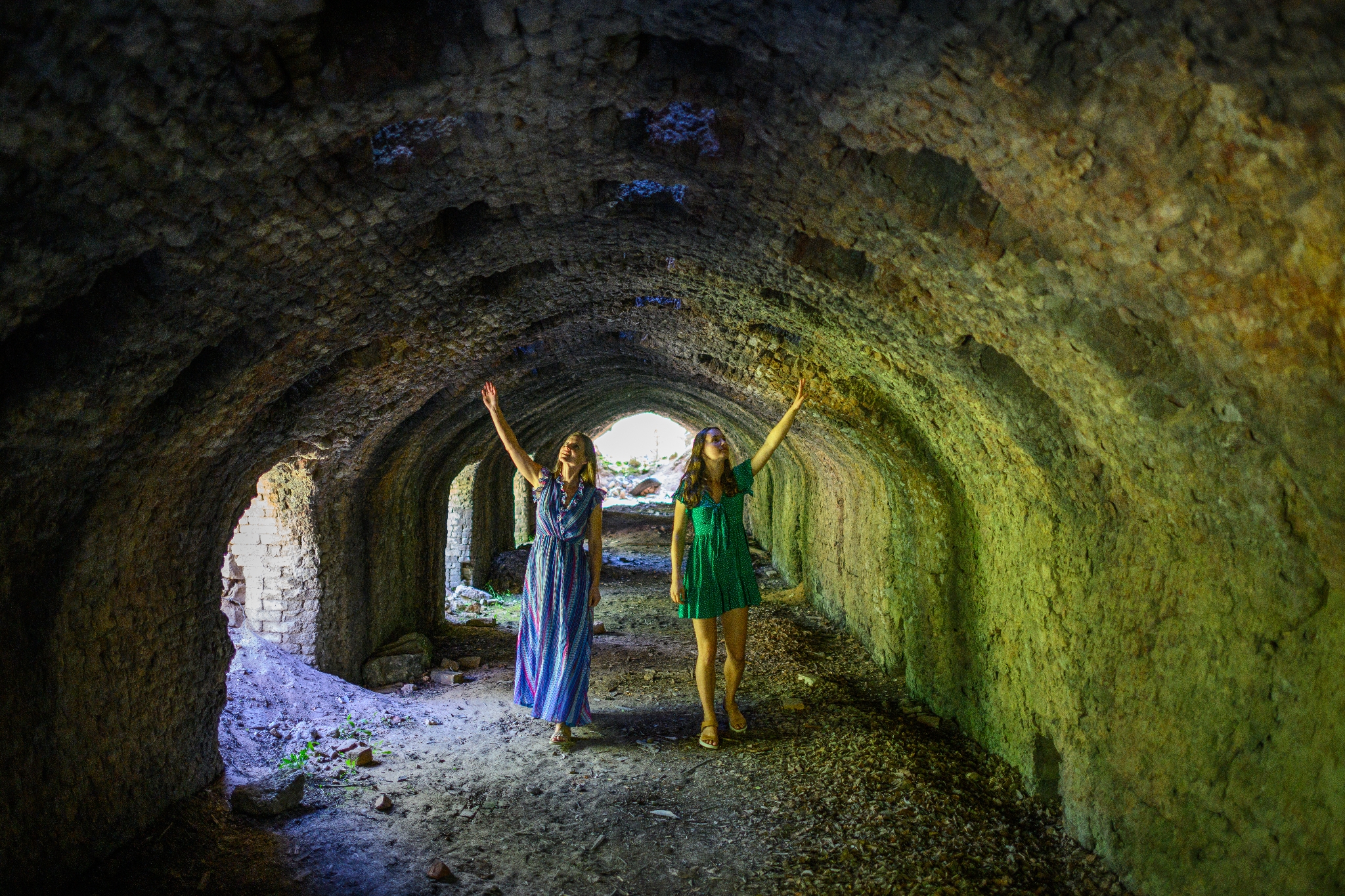
Tamsalu Lubjapargi moodustavad valdavalt varemetes tööstusrajatised, mahajäetud paemurrud, väljatöötatud alade puistangud ja looduslik mets nende vahel ning neid ühendavad looduse- ja pärandkultuuuri õpperajad.
Lubjapark on looduse- ja pärandkultuuri objekt, kus mahajäetud tööstusmaastikust on kujundatud vaatamisväärsus. Lubja põletamine lõpetati siin 1980. aastal.
Tutvuda saab mitut tüüpi lubjapõletusahjudega, sh hiiglaslike ringahjudega. Õpperada on varustatud infostendidega.
Täpsem info ja ekskursioonide tellimine Porkuni Paemuuseumist.
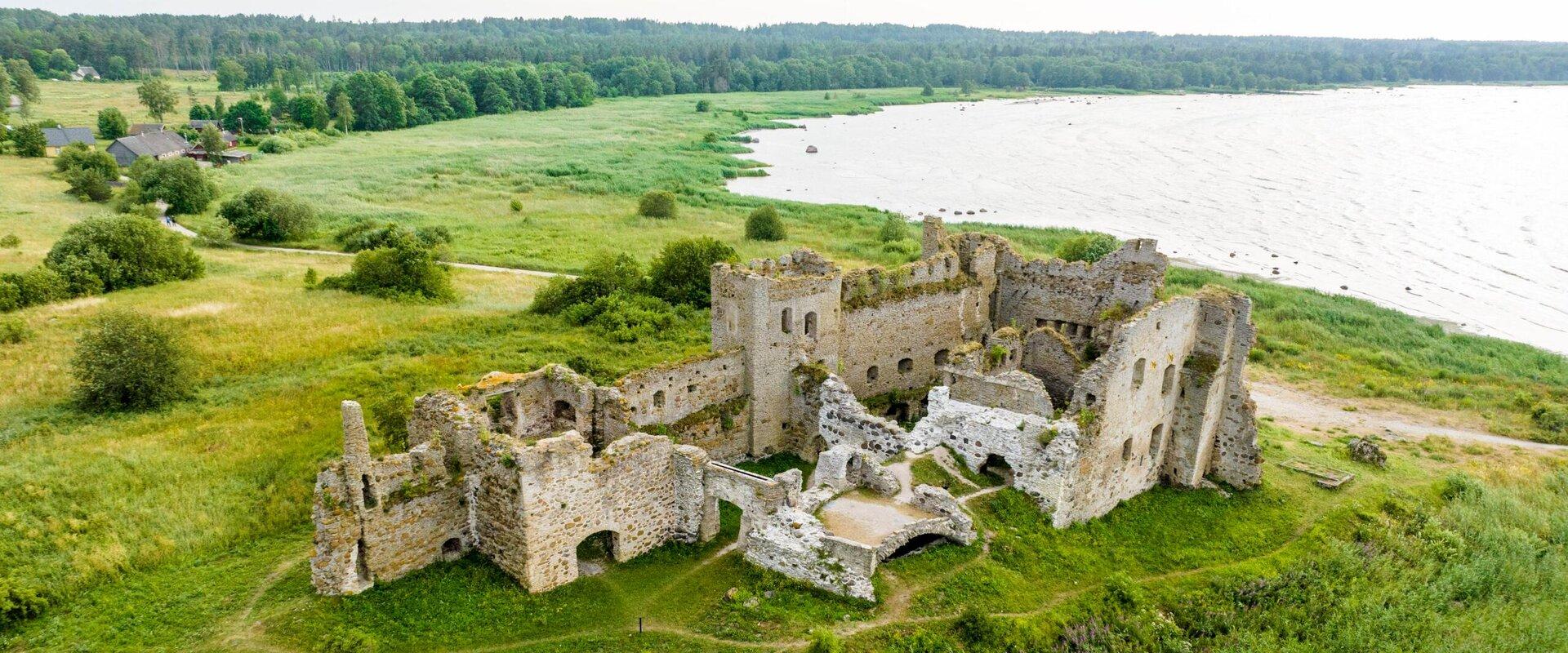
Toolse Order Castle is one of the more recent medieval castles on the northern coast of Estonia. It is also a castle located closest to the sea. The initial fortified manor house was probably erected by the order in the 14th century with the purpose of protecting the port, trade location and routes. During the Livonian War, the castle passed on through many hands and finally ended up in the possession of the Swedish troops. It was entirely destroyed in the Great Northern War at the beginning of the 18th century.
Today inside the ruins: · Excursions are offered to provide insight into history · An exciting adventure path was created · A pirate ship · Treasure quests and games of skill are organised on advance notice
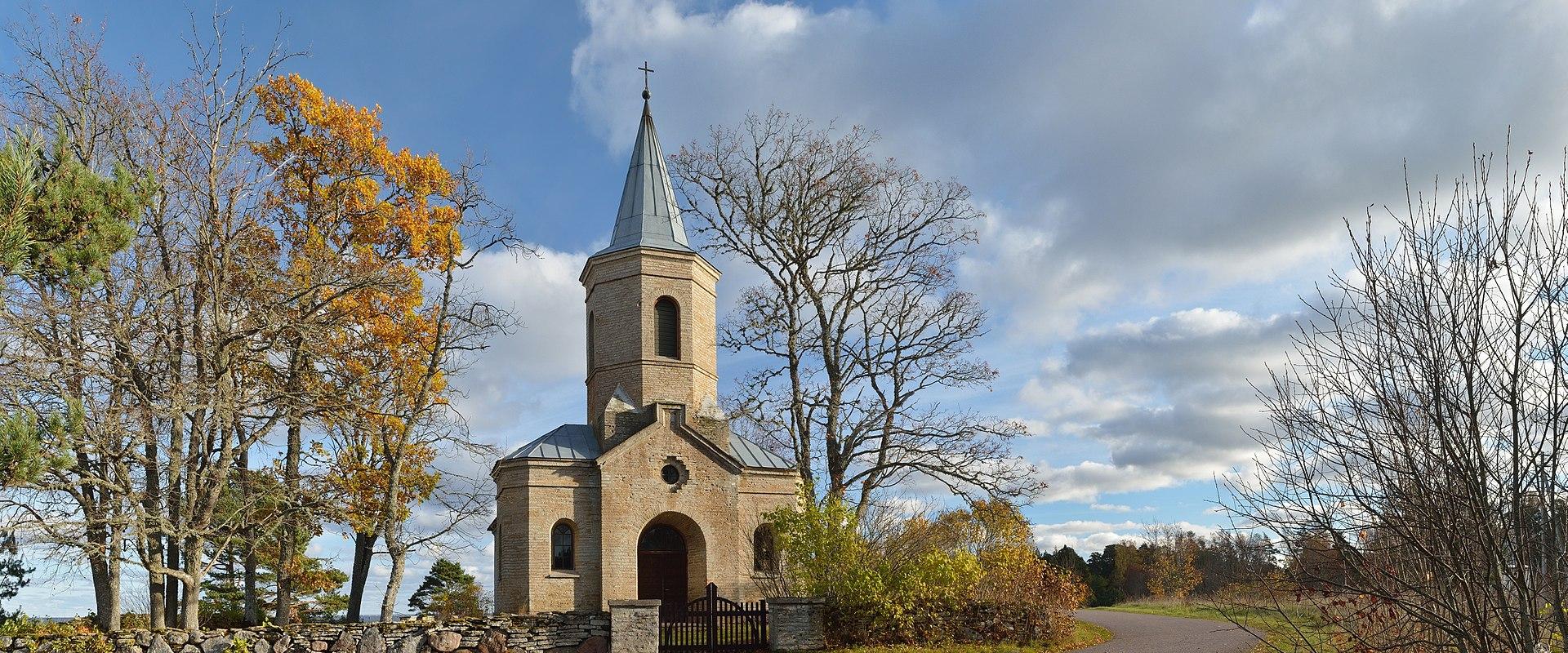
Vainupea Chapel was consecrated in the summer of 1893. However, the first written mention of the wooden beach chapel dates back to 1741. The construction of the present chapel was organised by Eduard von Dellingshausen, who was the squire of Aaspere and Sauste manors. The chapel was empty for years after the Second World War until Lääne-Viru Road Administration and Valentin Transtok launched restoration works in 1988. The restored chapel was re-consecrated in 1989. Today, the chapel is a popular venue for concerts and weddings.
Did you know that: – Estonian painter Richard Sagrits, who was born in Karepa near Vainupea, is buried in the nearby cemetery.
Neorenessanslik härrastemaja valmis aastail 1856-1859.
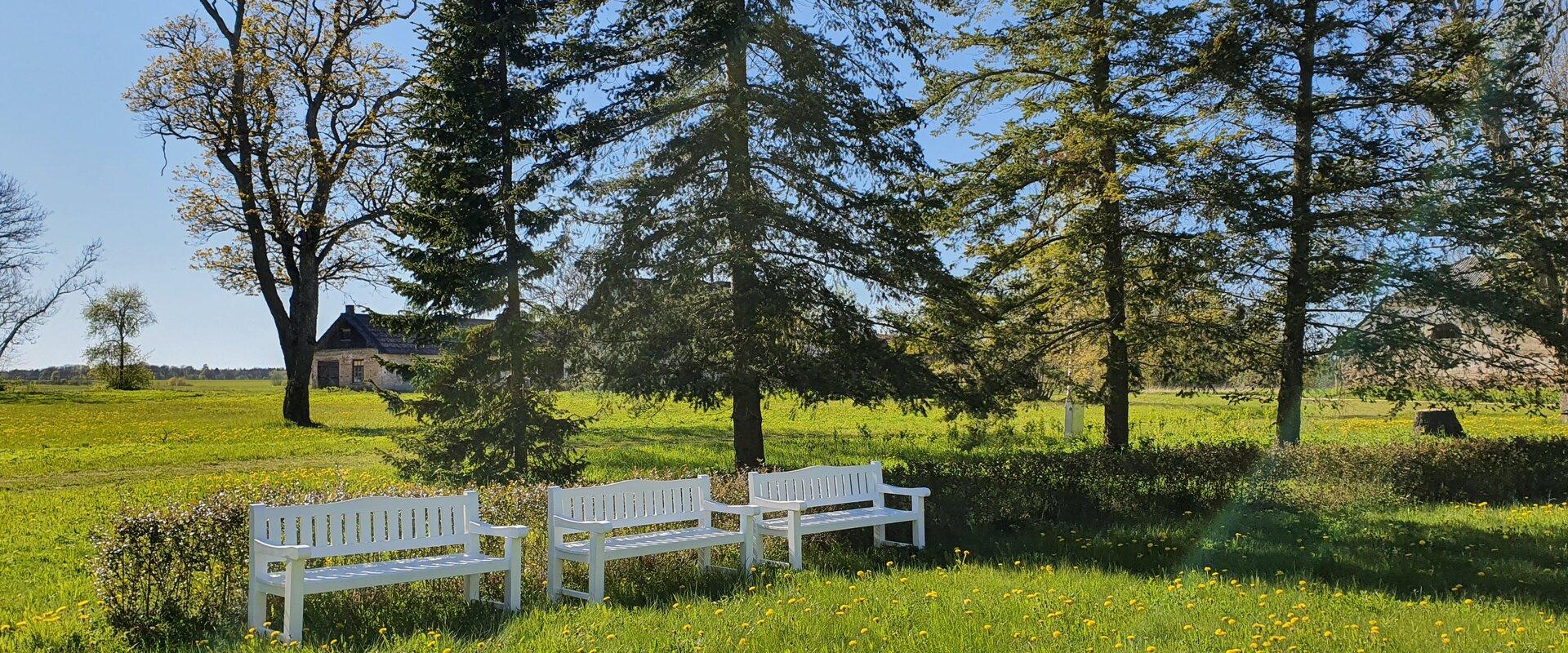
Mõisahoonet ümbritseb looduskaitsealune dendropark, mida on viimasel kümnendil oluliselt uuendatud ja täiendatud ca 500 puu- ja põõsasistikuga. Traditsiooniliselt korraldatakse sel suvel pargis teatripiknikku, mis toimub 05.juulil
2023.a. suvel võeti mõisas üles seriaal “Elu võimalikkusest maal”, mille radadel saame seigelda ja võttepaiku avastada.
06.septembril ootame osalema Lahemaa maitsete festivalil
The first written record of Vihula manor in Lahemaa National Park dates back to 1501. At the time it belonged to the Danish baron Hans von Lode. Later, the manor was damaged by a fire during the Great Northern War, after which it was purchased by the Wekebros who bequeathed it to their daughter’s family, the von Helffreichs. In 1810, it was purchased by Alexander von Schubert.
The manor you see today at Vihula was built during the era of the von Schuberts, between 1820 and 1880. It has since been fully restored and renovated, and now houses a fine restaurant and luxury spa hotel. It hosts concerts, conferences, weddings, and other events. Did you know that visitors are welcome to wander the grounds and admire the views of the manor at their leisure?